
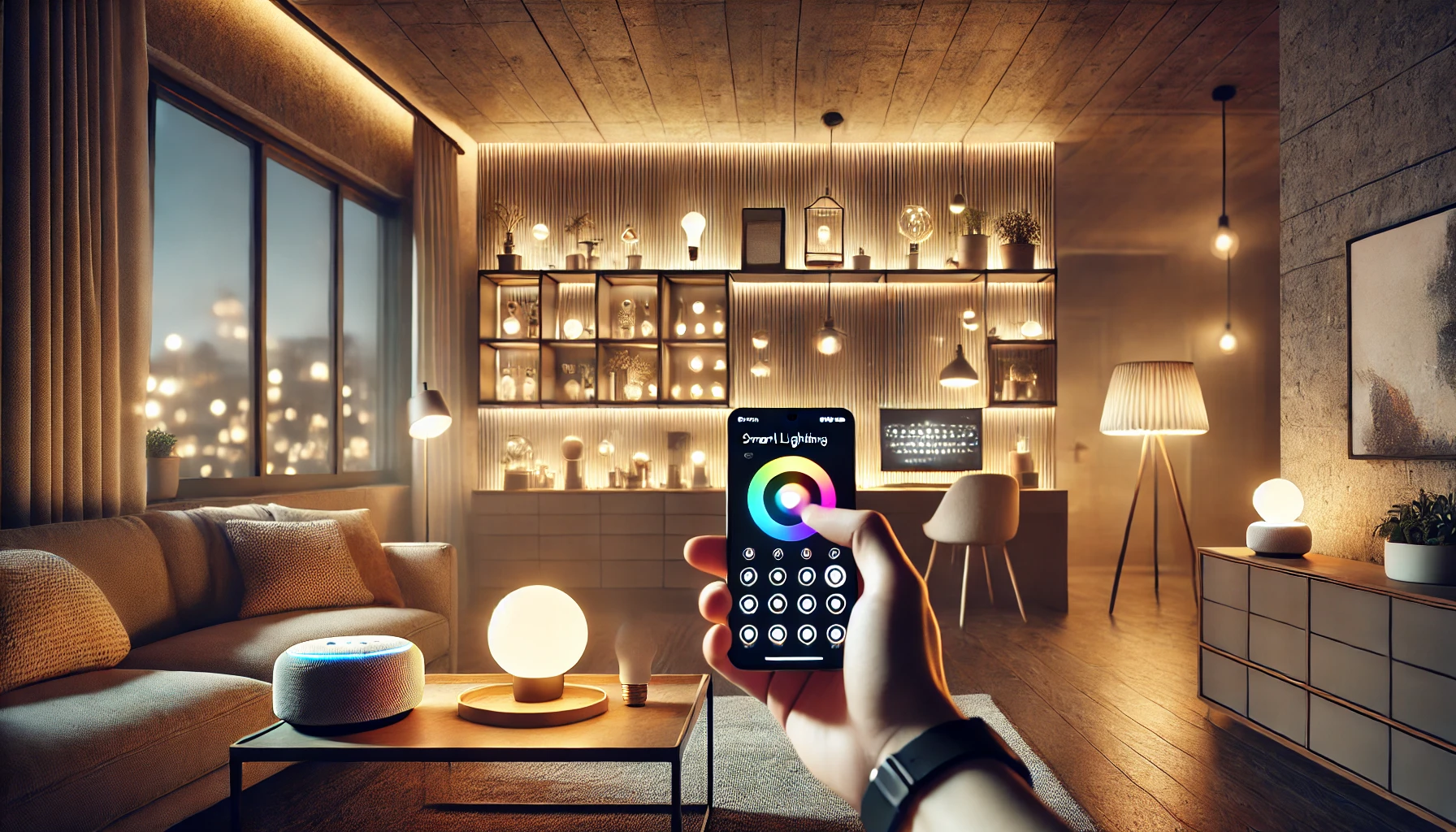
Lighting is one of the most fundamental elements of any home. It shapes mood, affects productivity, and plays a major role in energy consumption. But traditional lighting has limitations — you have to physically flip switches, bulbs burn out unexpectedly, and you have little control over brightness or scheduling. Enter smart lighting: an easy, effective way to modernize your home, cut energy bills, and automate your lifestyle.
If you’re still using conventional lighting systems, this article will show you why now is the perfect time to switch to smart lighting. We’ll explore what it is, how it works, the different types available, benefits you can expect, and how to get started — all tailored to homeowners or renters looking to upgrade their space with minimal effort.
What Is Smart Lighting?
Smart lighting refers to lighting systems that can be controlled remotely through your smartphone, tablet, or voice assistant. These lights connect to your home Wi-Fi or a smart home hub, allowing you to adjust brightness, color, and schedule from anywhere.
Components of Smart Lighting Systems:
- Smart bulbs – Screw into existing fixtures, offering color and brightness control
- Smart switches – Replace traditional wall switches for broader control
- Smart plugs – Control plug-in lamps and lighting appliances
- Motion sensors – Automate lights based on activity
- Voice assistant integration – Use Alexa, Google Assistant, or Siri to control lighting hands-free
These systems range from simple plug-and-play bulbs to comprehensive, app-controlled lighting ecosystems.
Key Benefits of Smart Lighting
Let’s look at the most compelling reasons to switch to smart lighting in your home.
1. Energy Efficiency and Cost Savings
Smart lights are typically LED-based, consuming up to 80% less energy than traditional incandescent bulbs. When paired with automation features like motion sensing, dimming, and scheduling, they further reduce electricity usage.
Real-life savings example:
Replacing five frequently used lightbulbs with ENERGY STAR-certified smart LEDs could save you $75 a year on your energy bill.
2. Convenience and Remote Control
Forget to turn off the kitchen light? Want to turn on the porch light before arriving home? With smart lighting, you’re always in control — whether you’re in bed, at the office, or on vacation.
Key tools:
- Control lights from anywhere via mobile app
- Set routines to align with your daily schedule
- Use voice commands to adjust lighting without lifting a finger
3. Personalization and Mood Setting
Smart bulbs let you change colors and brightness to suit different activities or moods. For instance:
- Warm dim light for relaxing
- Bright white for reading or working
- Cool blue for focus
- Fun RGB colors for parties or holidays
Some systems also sync lighting with music, games, or movies for immersive entertainment.
4. Home Security Enhancement
Use smart lighting to simulate occupancy while you’re away, deterring potential intruders.
Popular features:
- Set random light schedules when on vacation
- Turn on floodlights automatically when motion is detected
- Use geofencing to turn lights on when you arrive home at night
5. Health and Wellbeing
Lighting has a direct impact on your circadian rhythm. Smart lighting can gradually brighten in the morning to simulate sunrise or dim in the evening to help your body wind down naturally.
Health-friendly features:
- Sunrise alarms to wake up gently
- Blue light filters at night
- Automatic dimming after sunset
Types of Smart Lighting Systems
Choosing the right setup depends on your needs, space, and level of control desired.
A. Smart Bulbs
- Replace individual lightbulbs
- App and voice control
- Adjustable color, brightness, and timers
- Great for renters or those who want plug-and-play solutions
B. Smart Light Switches
- Replace wall switches and control all bulbs on that circuit
- Maintain control even if the wall switch is off
- Ideal for permanent installations and homeowners
C. Smart Plugs
- Plug-in option for lamps or non-smart lights
- Affordable entry point
- Full scheduling and remote control capabilities
D. Smart Lighting Kits
- Bundled solutions including hub, bulbs, and app
- Brands like Philips Hue and LIFX offer full lighting ecosystems
Smart Lighting Ecosystems and Compatibility
When choosing smart lighting, ensure it integrates with your existing devices.
Top Smart Lighting Brands:
- Philips Hue – Premium quality, extensive features, works with most platforms
- LIFX – Hub-free setup, vivid colors, advanced scheduling
- TP-Link Kasa Smart – Budget-friendly and reliable
- Sengled – Easy setup, often hub-free
- Govee – Great for RGB and ambient lighting fans
Compatible Voice Assistants:
- Amazon Alexa
- Google Assistant
- Apple HomeKit (Siri)
Also consider smart hubs like Samsung SmartThings or Amazon Echo with Zigbee support for more advanced setups.
Getting Started With Smart Lighting
You don’t need to overhaul your entire house to enjoy smart lighting. Follow this phased approach:
Step 1: Start Small
Choose a room you use frequently — like your bedroom or living room. Replace one or two bulbs with smart bulbs.
Step 2: Use the App
Download the brand’s app, connect your bulbs to Wi-Fi or a hub, and explore features like brightness control, scheduling, and scenes.
Step 3: Add Voice Control
Connect to Alexa, Google, or Siri for hands-free convenience.
Step 4: Expand Gradually
Once you’re comfortable, add more bulbs, switches, or smart plugs across different rooms. Explore motion sensors or daylight-based automation.
Automation Ideas for Smart Lighting
Here are some creative ways to fully utilize smart lighting features in your routine:
- “Wake Up” Routine: Gradual brightness increase to mimic sunrise
- “Good Night” Scene: All lights off except a dim nightlight
- “Away” Mode: Random lighting to simulate someone being home
- “Movie Time” Scene: Dim lights with a cool blue hue
- Motion Sensor Activation: Lights on when entering a room, off when leaving
- Sunset Trigger: Lights turn on automatically at dusk
Challenges and Considerations
Before switching completely, keep a few things in mind:
Internet Dependency
Smart lighting relies on stable Wi-Fi. If your network goes down, you may lose app or voice control (though most bulbs still work with manual switches).
Learning Curve
If you’re not tech-savvy, there may be a slight learning curve in app setup and automation logic.
Initial Cost
Smart lighting requires an upfront investment, especially for premium brands. However, long-term energy savings and convenience often justify the cost.
Environmental Impact
Switching to smart LED lighting is a responsible environmental choice. It:
- Lowers energy usage and carbon footprint
- Extends bulb lifespan (some last over 20,000 hours)
- Reduces waste and consumption
- Encourages mindful energy habits
In fact, if every household replaced just one traditional bulb with a smart LED, it could collectively reduce millions of tons of CO₂ emissions annually.
Final Thoughts: A Bright Idea for Any Home
Smart lighting isn’t just a trend — it’s a transformative lifestyle upgrade. Whether you’re looking to reduce your energy bill, increase your home’s convenience, or simply enjoy a more modern living experience, smart lighting delivers on all fronts.
It’s scalable, flexible, and incredibly impactful. From automating your mornings to securing your home at night, these intelligent lights do more than illuminate — they enhance how you live.
Ready to light up your life the smart way? Start with a single bulb, and you’ll never look back.