
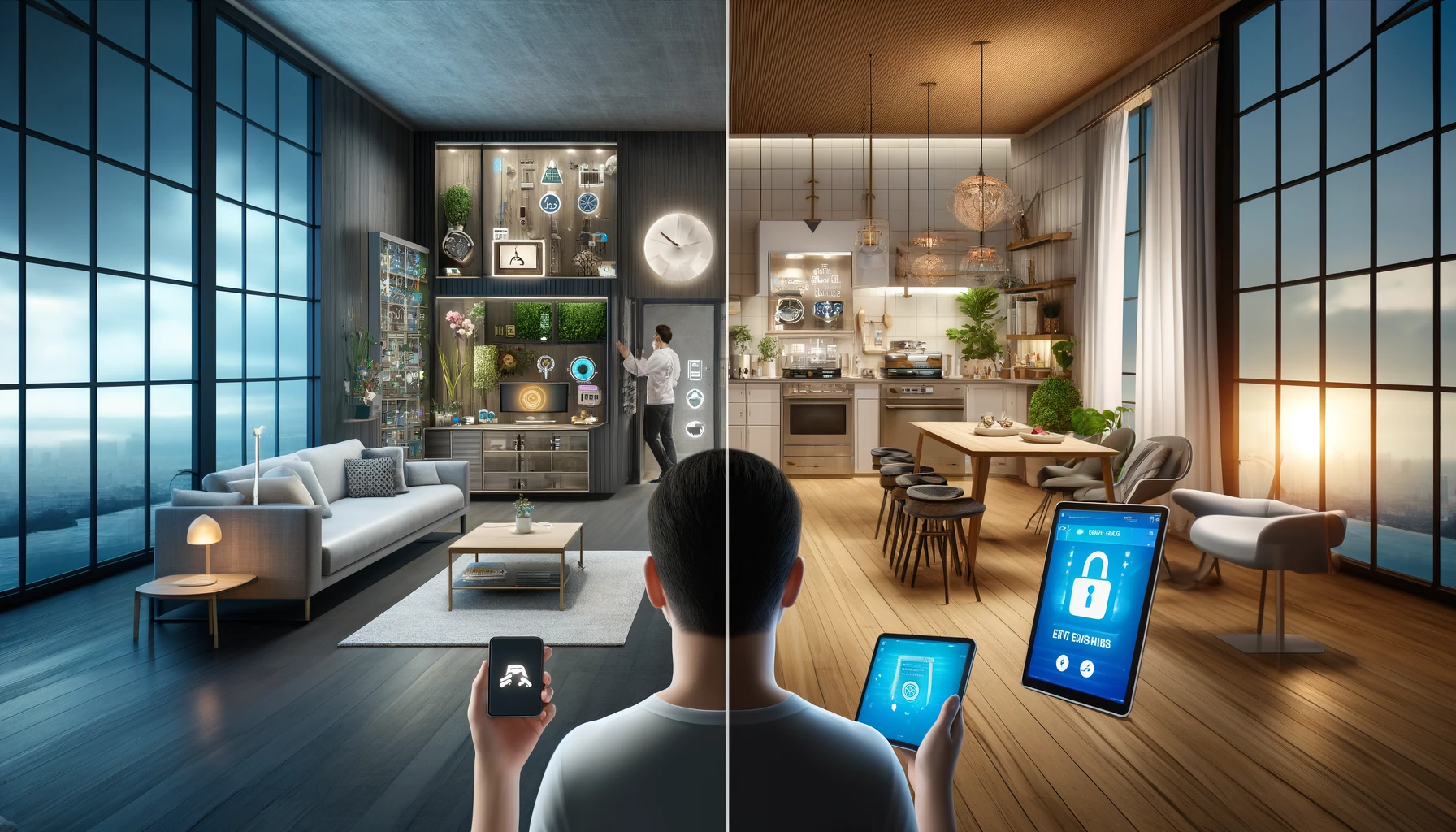
Smart home automation has evolved from a luxury into a mainstream lifestyle upgrade. From controlling your lights with a voice command to having your coffee ready as you wake up, automation brings convenience, energy efficiency, and customization to modern living.
But while it’s easy to get excited about turning your home into a futuristic control center, it’s also important to evaluate the benefits and drawbacks before diving in. Automation has incredible potential — but it’s not without its complexities.
In this article, we’ll break down the pros and cons of automating your home, so you can make informed decisions and build a smart system that fits your lifestyle, budget, and needs.
What Is Home Automation?
Home automation refers to using smart devices and software to automatically control various aspects of your home — including lighting, climate, appliances, security, and entertainment — with minimal manual input.
Common ways to control smart homes:
- Smartphone apps
- Voice assistants (like Alexa, Google Assistant, Siri)
- Scheduled routines
- Motion or sensor-based triggers
- Geofencing (based on your phone’s location)
Automation allows these devices to work together to perform tasks or adapt to your behavior without constant interaction.
The Pros of Automating Your Home
1. Convenience and Time Savings
This is the number one reason most people start automating their homes. With smart devices, you can perform routine tasks automatically or control everything with a tap or voice command.
Examples:
- “Good night” routine that turns off all lights, locks doors, and lowers the thermostat
- Smart plugs turning off unused appliances at bedtime
- Smart lighting that follows sunrise and sunset
Why it matters: Fewer daily chores and less mental energy spent on repetitive tasks.
2. Energy Efficiency and Cost Savings
Smart devices like thermostats, plugs, and lighting systems can drastically reduce energy consumption. Automation ensures that devices are only active when needed — and you don’t have to remember to switch them off.
Energy-saving benefits include:
- Smart thermostats that adjust when you’re not home
- Lighting that turns off automatically when rooms are empty
- Plugs that cut off phantom load power
- Appliances scheduled to run during off-peak hours
Why it matters: Lower utility bills and a reduced carbon footprint.
3. Increased Home Security
Smart home automation plays a huge role in enhancing security. Devices like smart locks, doorbell cameras, motion sensors, and alarms work together to monitor and protect your home.
Security advantages:
- Receive instant alerts if suspicious activity is detected
- Automate outdoor lights to turn on when motion is detected
- Lock doors remotely or automatically at night
- Monitor your home from anywhere in the world
Why it matters: Better peace of mind and faster response to potential threats.
4. Customization and Personalization
Smart homes aren’t just efficient — they’re adaptable. You can customize routines, schedules, scenes, and even voice responses based on your lifestyle.
Customization examples:
- “Morning” routine with gradual lights, soft music, and coffee brewing
- “Workout” routine that turns on your fan, energizing playlist, and smart lighting
- Temperature adjusted differently by room or time of day
Why it matters: Your home responds to you — not the other way around.
5. Accessibility and Support for Special Needs
Automation can be life-changing for the elderly, people with disabilities, or anyone needing assistance in daily tasks.
Accessibility features:
- Voice commands to turn lights or appliances on/off
- Smart doorbells for visual and audio alerts
- Automated medication reminders
- Voice-controlled thermostats and fans
Why it matters: Encourages independence and safety for all residents.
6. Remote Monitoring and Control
Whether you’re on vacation or stuck at the office, smart home apps let you see what’s happening in your home and make changes instantly.
Remote control benefits:
- Turn off forgotten devices
- Adjust heating or cooling based on sudden weather changes
- Unlock the door for guests or service workers
- View live camera feeds anytime
Why it matters: You’re always in control, no matter where you are.
The Cons of Automating Your Home
1. Upfront Cost
Smart home devices aren’t always cheap — and outfitting an entire home with automation can get expensive fast.
Typical costs:
- Smart thermostat: $100–$250
- Smart bulbs: $10–$50 each
- Smart locks: $150–$300
- Smart hubs and displays: $50–$250
- Installation (if needed): extra
Why it matters: The investment pays off over time, but upfront costs may be a barrier for some.
2. Complexity and Learning Curve
Setting up routines, connecting devices, troubleshooting connectivity, and understanding how each app works can be overwhelming at first — especially for non-tech-savvy users.
Challenges include:
- Managing multiple apps and platforms
- Connecting different device brands
- Keeping firmware updated
- Understanding automation logic (e.g., “if this, then that”)
Why it matters: Simplicity improves over time, but beginners may feel intimidated early on.
3. Privacy and Security Concerns
Smart devices often collect and transmit data. This raises concerns about how that data is stored, who can access it, and how secure it is from cyber threats.
Potential risks:
- Data breaches exposing personal information
- Microphones or cameras being hacked
- Voice assistants storing private conversations
- Devices on insecure Wi-Fi networks
Why it matters: Users must take extra steps to secure their smart home.
How to reduce risk:
- Use strong passwords and two-factor authentication
- Regularly update devices
- Review privacy settings in each app
- Buy from trusted brands with transparent privacy policies
4. Internet Dependence
Most smart devices rely on a steady Wi-Fi connection to work properly. If your internet goes down or is unstable, your automation may fail or become inaccessible.
Common issues:
- Devices going offline
- Delays in commands
- Automations not triggering
- Loss of remote access
Why it matters: Your smart home is only as good as your network. Investing in a strong router or mesh Wi-Fi system is often necessary.
5. Compatibility Limitations
Not all smart devices work together. Different brands may use different communication protocols (Wi-Fi, Zigbee, Z-Wave, Thread), and not all integrate with your chosen voice assistant.
Common frustrations:
- Device A works with Alexa, but not Google
- Device B needs a separate hub
- App clutter from using too many different brands
Why it matters: Lack of standardization can limit your options or require additional purchases.
How to manage it:
- Stick with one ecosystem when possible (Google, Amazon, or Apple)
- Look for “Works with” labels
- Use Matter-compatible devices for future-proof setups
6. Maintenance and Updates
Smart devices aren’t “set and forget.” They require occasional updates, software patches, and sometimes even hardware replacements as technology evolves.
Ongoing needs:
- App updates
- Firmware patches
- Troubleshooting bugs
- Re-pairing devices after network changes
Why it matters: A smart home requires attention, just like any other tech system.
How to Maximize the Pros and Minimize the Cons
Start small — begin with one or two devices like a smart plug and speaker
Choose your ecosystem early (Alexa, Google, Apple)
Stick with reputable brands known for security and support
Secure your network and enable privacy settings
Automate only what makes your life easier
Regularly review your setup for updates or improvements
Don’t automate for the sake of it — automate to solve real problems
Final Thoughts: Is Home Automation Worth It?
Smart home automation is a powerful tool — but like all technology, it works best when used intentionally. The benefits are real: convenience, savings, safety, and customization. But those gains come with responsibilities: cost, complexity, and care.
For most people, the pros far outweigh the cons — especially when you take a gradual, thoughtful approach. You don’t have to transform your entire house overnight. Automate one room, one task, or one habit at a time.
A smart home isn’t just about gadgets — it’s about building a better, more responsive lifestyle. And now you know both sides of the story.