
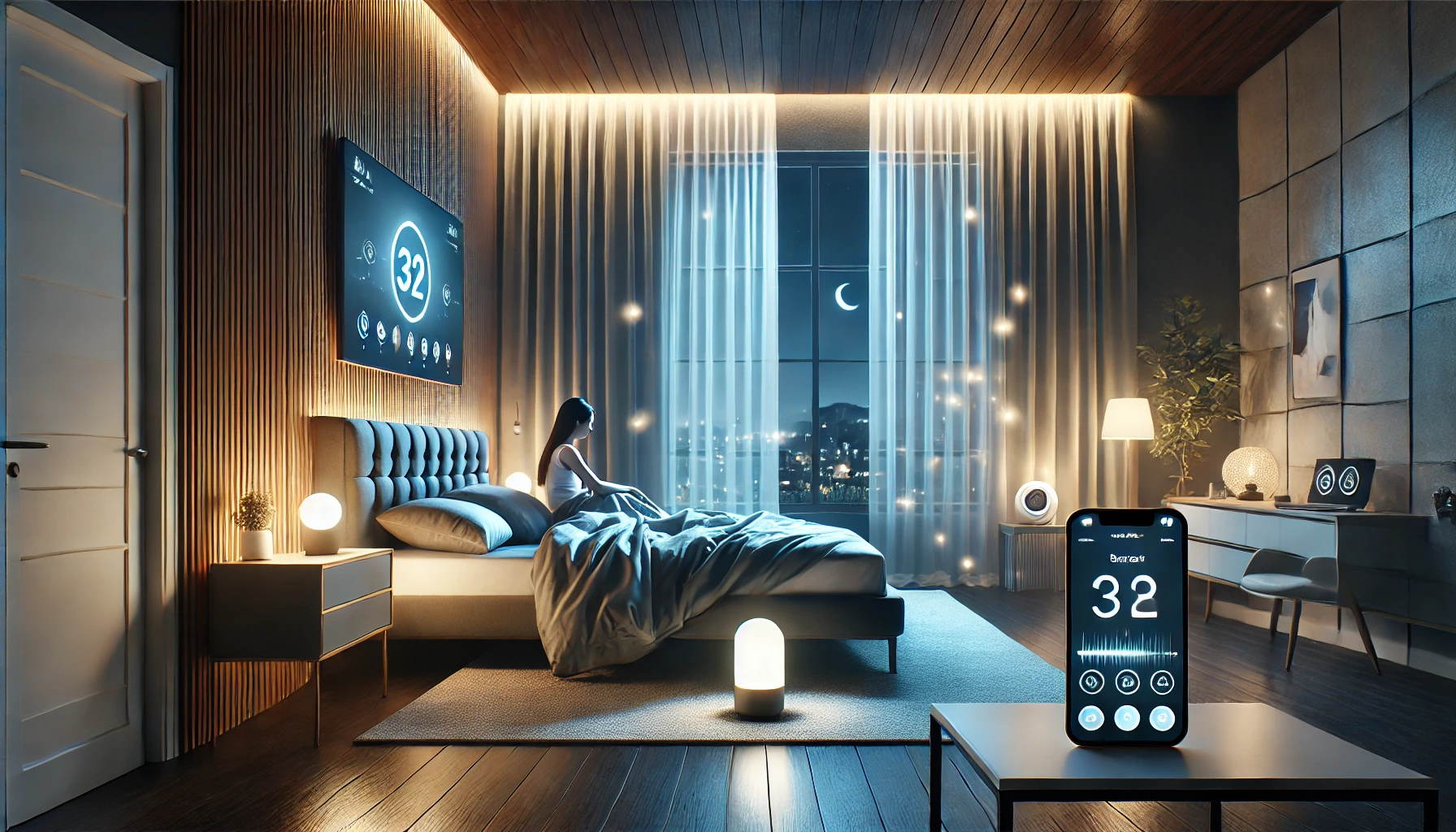
Getting a good night’s sleep is one of the most important pillars of health — yet, millions of people struggle to fall asleep, stay asleep, or wake up feeling rested. Whether it’s stress, noise, light, or inconsistent routines, the causes of poor sleep are varied. Fortunately, technology is stepping in to help, and smart sleep devices are leading the way.
Today’s smart sleep tech goes far beyond basic alarms and white noise machines. These gadgets monitor your sleep, improve your bedroom environment, and even coach you into better habits — all with minimal effort on your part.
In this article, we’ll explore the best smart devices that can help you sleep better every night, why they work, and how to integrate them into your routine for real results.
Why Sleep Matters — and How Tech Can Help
Quality sleep affects everything from brain function and immune health to mood, metabolism, and energy levels. According to sleep experts, adults need 7–9 hours of sleep per night, but many people fall short.
Common sleep disruptors:
- Blue light exposure
- Inconsistent bedtime routines
- Overheating or poor temperature control
- Noise disturbances
- Mental overstimulation
Smart sleep devices aim to solve these by:
- Regulating light and temperature
- Providing calming sound environments
- Monitoring sleep cycles and quality
- Offering personalized feedback and recommendations
1. Smart Sleep Trackers
Sleep trackers help you understand your sleep patterns, which is the first step to improvement. They monitor metrics like heart rate, movement, breathing, and time spent in each sleep stage.
Types:
- Wearables (like smartwatches and rings)
- Under-the-mattress sensors
- Bedside monitors
Features:
- Sleep stage analysis
- Snore detection
- Breathing and heart rate monitoring
- Daily sleep score and trends
- Smart alarms that wake you at the lightest sleep phase
Popular devices:
- Oura Ring
- Fitbit Inspire 3 or Sense 2
- Withings Sleep Analyzer
- Google Nest Hub (2nd Gen)
Why it helps:
You can’t fix what you can’t measure. These devices give you insights into what’s working and what’s not in your sleep routine.
2. Smart Light Therapy Lamps
Your body’s internal clock (circadian rhythm) is closely linked to light exposure. Smart light therapy lamps help you wind down in the evening and wake up more naturally in the morning.
Key features:
- Sunrise simulation to gently wake you
- Sunset simulation to promote melatonin production
- Adjustable brightness and color temperature
- Schedule customization via app
Top options:
- Philips SmartSleep Wake-Up Light
- Hatch Restore 2
- Lumie Bodyclock Shine 300
Why it helps:
Gradual light changes align your body with its natural rhythms, helping you fall asleep faster and wake up refreshed.
3. Smart Mattresses and Mattress Pads
These smart surfaces go beyond comfort. They can track your sleep, adjust firmness, and even regulate temperature throughout the night.
Smart mattress features:
- Sleep stage tracking
- Automatic firmness adjustments
- Temperature regulation zones
- Anti-snoring response (some models gently elevate the head)
Smart mattress brands:
- Eight Sleep Pod 3
- Sleep Number 360 Smart Bed
- ReST Smart Bed
Why it helps:
Maintaining the right temperature and support throughout the night reduces disturbances and promotes deeper sleep.
4. Smart Climate Control Devices
Temperature plays a huge role in sleep quality. The ideal range for most people is 60–67°F (15–19°C).
Smart climate control solutions:
- Smart thermostats (e.g., Nest, Ecobee)
- Bed cooling systems (e.g., ChiliPad, OOLER)
- Smart ceiling fans with sensors
- Voice-controlled humidifiers
Automation example:
Set your thermostat to gradually lower temperature 30 minutes before bed and warm the room before you wake.
Why it helps:
Consistent, cool temperatures support the body’s natural sleep cycles.
5. Smart White Noise Machines
White noise — or other calming sounds — can block disruptive noises and create a relaxing atmosphere. Smart models go further by offering adaptive noise, app controls, and personalized soundscapes.
Features to look for:
- App-based sound library
- Scheduling or timer settings
- Sound masking and adaptive volume
- Sleep routines and wake-up options
Recommended products:
- Hatch Restore
- LectroFan Evo
- Yogasleep Dohm Connect
Why it helps:
A consistent audio environment prevents sudden wake-ups and helps your brain associate sound with sleep.
6. Smart Curtains and Blinds
Darkness is essential for melatonin production and deep sleep. Smart window coverings help create the perfect sleep cave — automatically.
Key features:
- Schedule open/close times
- Light sensors to adjust based on sunlight
- Voice assistant compatibility
- Blackout material options
Best picks:
- IKEA FYRTUR Smart Blinds
- SwitchBot Curtain Rod 2
- Lutron Serena Shades
Why it helps:
Block light pollution at night and wake naturally with soft morning light — no alarm required.
7. Smart Sleep Assistants
These are multi-functional bedside devices that combine several smart features into one unit — sleep tracking, alarms, white noise, and light therapy.
Most popular examples:
- Hatch Restore 2
- Google Nest Hub (2nd Gen)
- Amazon Echo Show 5 (with sleep sounds and sunrise alarms)
What they offer:
- Voice control
- Guided meditations
- Sleep coaching
- Light and sound routines
Why it helps:
Simplifies your sleep setup and adds flexibility to your routine.
How to Build a Smart Sleep Environment
Ready to sleep better? Here’s how to create your perfect smart sleep setup:
Step 1: Set Your Sleep Goals
Do you want to:
- Fall asleep faster?
- Wake up easier?
- Track and improve sleep quality?
- Eliminate noise or light disturbances?
Define your priority to choose the right tech.
Step 2: Start with One Device
Begin with the gadget that tackles your biggest challenge. For example:
- Struggling to wake up? Try a smart light alarm.
- Too much noise? Get a white noise machine.
- Want insights? Choose a sleep tracker.
Step 3: Create an Automated Wind-Down Routine
Use your smart home platform to set a relaxing sequence:
- 9:30 PM – Dim lights automatically
- 9:35 PM – Play sleep sounds or guided meditation
- 9:45 PM – Lower thermostat
- 10:00 PM – Smart blinds close
- 10:15 PM – Phone goes into Do Not Disturb mode
Step 4: Use Sleep Data Wisely
Check your sleep tracker every morning, and look for trends — are you getting deeper sleep when the room is cooler? Is blue light at night reducing your total sleep time?
Use this info to fine-tune your environment and routines.
Smart Sleep Tips
Here are a few extra pointers to make your tech work better for you:
- Keep gadgets updated to access new features
- Minimize blue light exposure 1 hour before bed
- Use smart lighting with warm tones in the evening
- Don’t overload your bedroom with screens — choose purposeful devices
- Combine tech with good sleep hygiene (consistent bedtime, no caffeine late, etc.)
Final Thoughts: Sleep Smarter, Live Better
Good sleep isn’t a luxury — it’s a necessity. And smart sleep devices are making it easier than ever to understand your habits, reduce disturbances, and get the restorative rest your body needs.
By investing in just a few smart upgrades, you can transform your bedroom into a high-tech sleep sanctuary that supports your health and happiness — night after night.
Better sleep starts with smarter choices. And now, you have the tools to make it happen.