
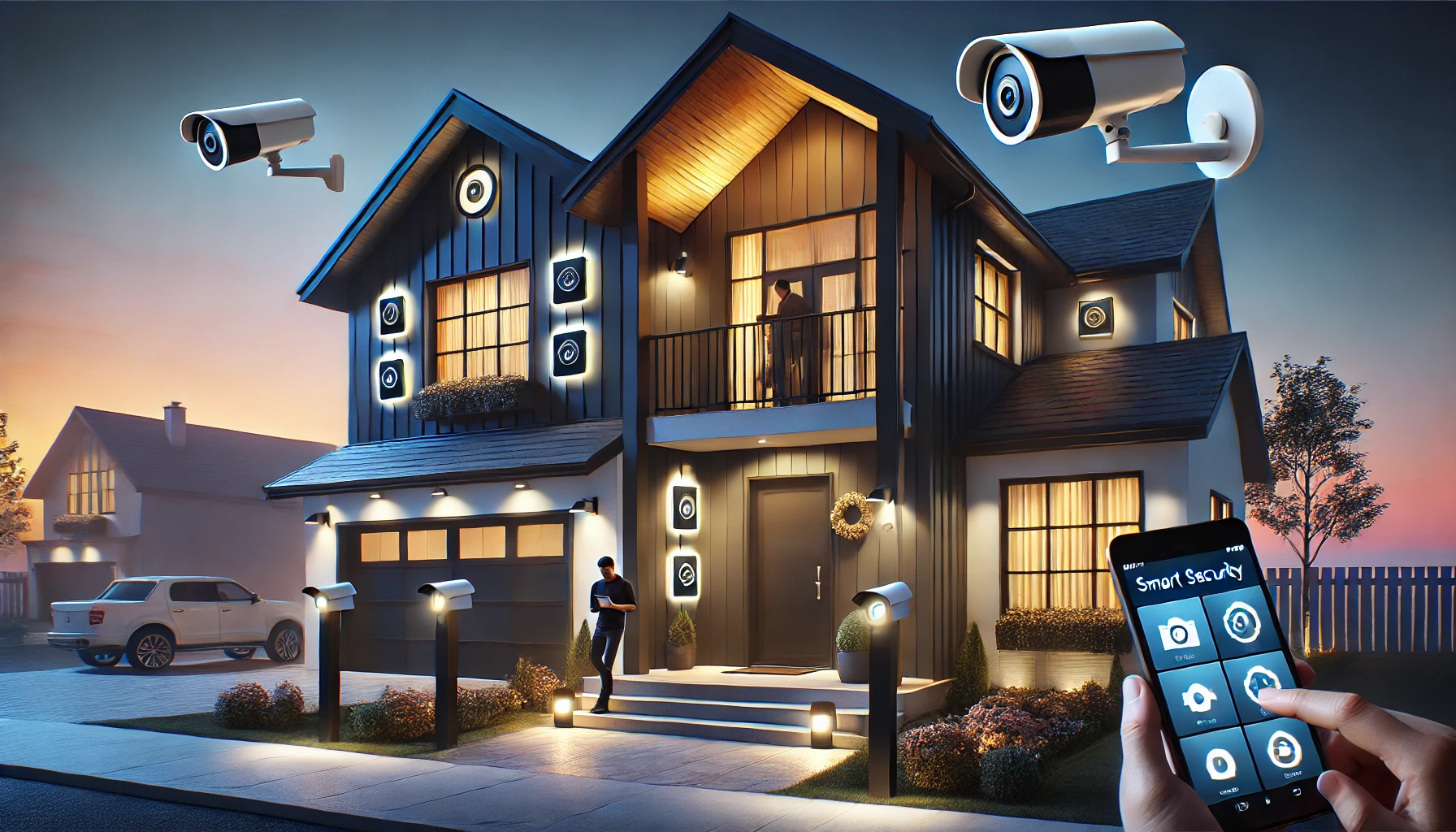
Home security has always been a top priority for homeowners, and in today’s connected world, smart home technology is revolutionizing the way we protect our living spaces. With real-time alerts, remote monitoring, automated routines, and integrated safety systems, smart homes are becoming safer, smarter, and more responsive than ever before.
In this article, we’ll explore how smart home technology enhances home security, what devices make the biggest difference, and how to create a fully integrated setup that gives you peace of mind — whether you’re home or away.
Why Traditional Security Isn’t Enough Anymore
Traditional home security — locks, alarms, and cameras — has its limitations:
- Lack of remote access
- No real-time communication or alerts
- Delayed response during emergencies
- Manual arming/disarming
- Limited customization for daily routines
Smart technology solves these gaps by offering automation, instant control, and adaptive learning.
1. Smart Security Cameras: Your Eyes Everywhere
Security cameras are foundational to any home security setup. With smart technology, they become more than just passive observers.
Features:
- 24/7 live streaming
- Motion-triggered recording
- Two-way audio for communication
- Mobile alerts and cloud storage
- Night vision and people/pet recognition
- Integration with routines and alarms
Recommended cameras:
- Arlo Pro 5S
- Google Nest Cam (battery or wired)
- Ring Indoor/Outdoor Cameras
- EufyCam 2C Pro (no subscription model)
Pro tip: Place cameras at key points: entry doors, driveway, garage, backyard, and main hallway.
2. Video Doorbells: Know Who’s There Before You Answer
A smart video doorbell provides real-time visuals and audio whenever someone approaches your front door — whether you’re home or not.
Advantages:
- Live view from your phone
- Motion detection and package alerts
- Talk to visitors remotely
- Record activity clips for security purposes
- Set delivery zones or alert zones
Top picks:
- Ring Video Doorbell Pro 2
- Google Nest Doorbell
- Eufy Video Doorbell Dual
Integration idea: Link your doorbell with smart locks to let guests or service providers in remotely.
3. Smart Locks: Keyless, Controlled, and Convenient
Traditional locks can be lost, copied, or forgotten. Smart locks bring keyless access and better control over who enters your home.
Features:
- Lock/unlock via smartphone or voice assistant
- Temporary codes for guests or delivery people
- Auto-lock based on location or timer
- Access logs to see who entered and when
- Integration with door sensors and routines
Popular models:
- August Wi-Fi Smart Lock
- Schlage Encode Plus
- Yale Assure Lock SL
Bonus: Set your doors to lock automatically at night or when everyone leaves.
4. Window and Door Sensors: Detect Unauthorized Access
Smart contact sensors notify you whenever a door or window opens unexpectedly.
Benefits:
- Instant notifications for break-ins or tampering
- Automation triggers (e.g., lights turn on when door opens)
- Monitor garage doors or rarely used access points
- Arm/disarm systems when windows are open/closed
Best options:
- Ring Contact Sensors
- Aqara Door and Window Sensor
- Ecolink Z-Wave Plus Sensors
Safety tip: Combine with motion sensors for layered detection inside and outside the home.
5. Motion Sensors and Floodlights: Proactive Protection
Motion sensors aren’t just for lights anymore — they’re a core part of smart perimeter protection.
What they can do:
- Turn on floodlights when movement is detected
- Trigger cameras to record
- Sound alarms if movement is unexpected
- Send alerts based on person/vehicle/animal identification
Recommended setups:
- Ring Floodlight Cam
- Wyze Motion Sensor Kit
- Philips Hue Outdoor Sensor + Lights
Integration tip: Use motion detection to trigger multi-device routines for maximum deterrence.
6. Smart Alarms and Sirens: Loud and Connected
Alarms remain a powerful deterrent — but with smart features, they become automated, customizable, and connected to other devices.
Smart alarm features:
- App-controlled arming and disarming
- Customizable alarm zones and sensitivity
- Mobile alerts during triggers
- Sound alarm when unauthorized entry is detected
- Integration with sensors, cameras, and locks
Trusted systems:
- SimpliSafe
- Ring Alarm System
- Abode Smart Security Kit
Scenario: If a window sensor is triggered, the alarm activates, lights flash, and cameras begin recording.
7. Smart Sensors for Fire, CO, and Water Leaks
Security includes preventing and detecting environmental threats — not just break-ins.
Important sensors:
- Smoke and carbon monoxide (CO) detectors
- Natural gas leak sensors
- Water leak detectors near sinks, heaters, and basements
- Temperature sensors to prevent pipe freezes
Top devices:
- Nest Protect (smoke + CO)
- YoLink Water Leak Sensor
- First Alert Z-Wave Smoke Detector
Automation idea: Shut off the HVAC or water system when a leak or gas detection is triggered.
8. Geofencing and Automation Routines
Smart homes can activate security systems based on your location, time of day, or detected activity.
Geofencing use cases:
- Arm the alarm when everyone leaves home
- Turn on outdoor lights at sunset
- Disarm security when you arrive
- Receive alerts if something opens while you’re away
Routine examples:
- “Nighttime Mode”: Lock doors, close garage, lower lights
- “Vacation Mode”: Randomly toggle lights and play music to simulate presence
- “Away Mode”: Arm cameras, sensors, and motion lights
Bonus: Geofencing requires no user input — making security effortless and automatic.
9. Voice Control With Caution
Smart assistants like Alexa, Google Assistant, and Siri can add convenience to security — but use them carefully.
What’s safe:
- “Is the front door locked?”
- “Arm the security system.”
- “Show me the front door camera.”
What to avoid:
- Allowing disarming by voice alone (use PIN or biometric confirmation)
- Enabling lock control without user recognition
- Using default device names or no voice match
Tip: Use multi-factor authentication and set up voice profiles to protect sensitive commands.
10. Remote Access and Notifications for Total Peace of Mind
One of the biggest strengths of smart security is the ability to check in on your home anytime, from anywhere.
Control from your phone:
- View live camera feeds
- Lock/unlock doors remotely
- Receive event history and visitor logs
- Arm or disarm alarms
- Get alerts for all connected devices in real time
Suggested apps:
- Google Home
- Ring
- SimpliSafe
- Alexa or Apple Home
Result: Whether you’re on vacation, at work, or running errands, you’re always connected and in control.
Final Thoughts: Secure Smarter, Live Safer
Smart home security isn’t about fear — it’s about confidence, control, and convenience. By connecting devices across your home, you build a system that’s proactive, customizable, and responsive to your unique needs.
From front doors to backyard fences, from lights to locks, smart home technology offers a layered approach to protection that’s more efficient than ever.
Because the safest homes today are also the smartest ones.