
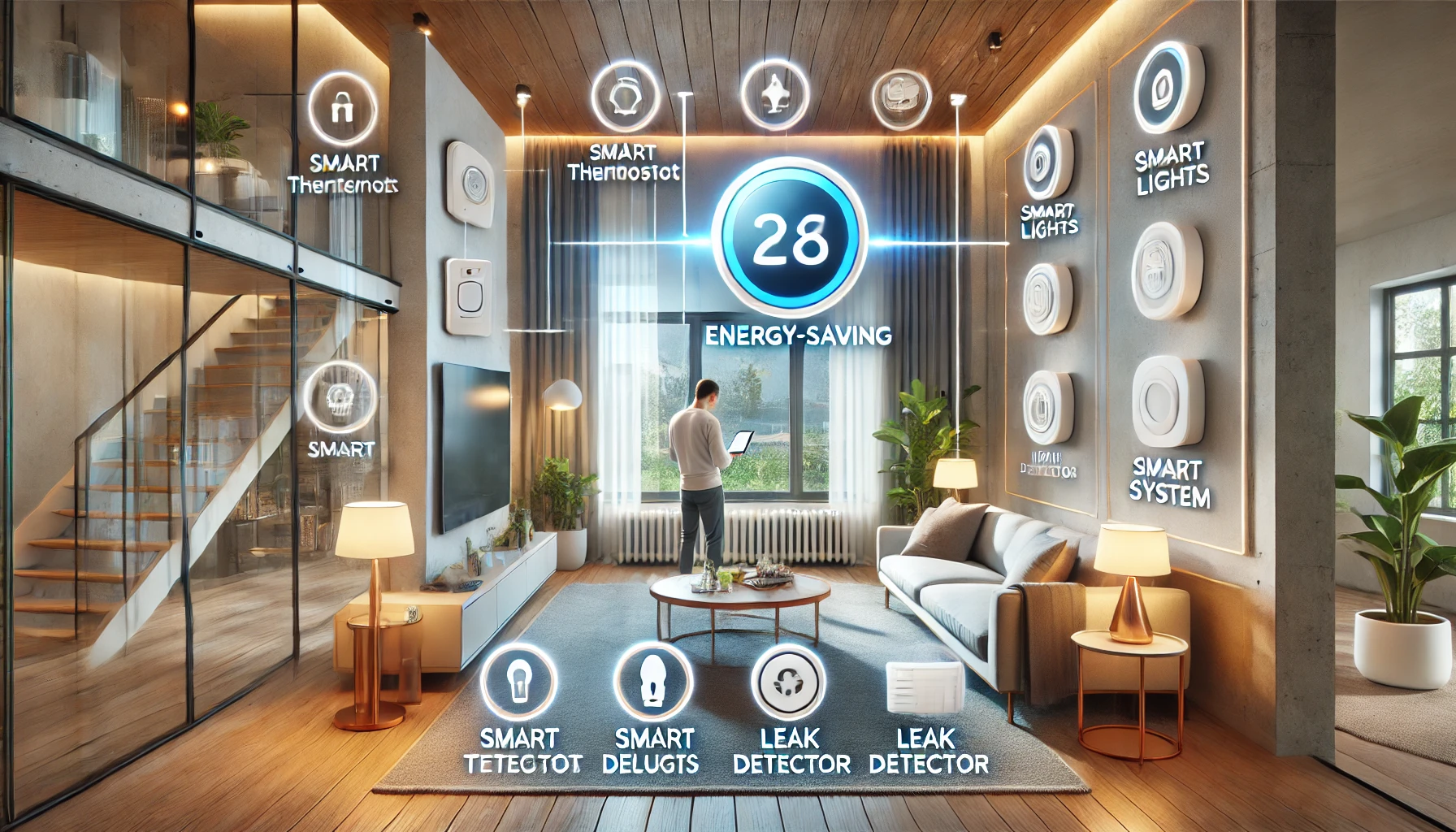
Smart home technology isn’t just about convenience or futuristic flair — it can also help you cut down on monthly expenses and increase long-term savings. From reducing energy usage to preventing costly damages, smart devices are becoming powerful tools for anyone looking to lower household bills without sacrificing comfort.
In this article, we’ll explore how smart home devices can save you money over time, highlight key areas where savings are most impactful, and offer tips on how to maximize the value of your investment.
Why Smart Devices Can Be a Financial Win
Although some smart gadgets come with upfront costs, they often pay for themselves through energy savings, efficiency, and automation. Plus, many utility companies offer rebates and discounts for smart devices that reduce energy consumption.
Smart devices also help:
- Detect problems early (leaks, inefficiencies)
- Automate systems to avoid human error
- Track usage patterns to improve habits
- Monitor your home while you’re away
- Avoid waste by shutting off unused devices
Let’s break down how this works in practice.
1. Smart Thermostats: Major Energy Savings
Heating and cooling are among the biggest energy expenses in most households. A smart thermostat helps optimize usage based on actual need — not guesswork.
How it saves:
- Learns your routine and adjusts automatically
- Uses sensors to heat or cool only occupied rooms
- Adapts to outside weather in real-time
- Allows remote control (no more forgetting to turn off the AC)
- Reduces temperature when you’re away
Top picks:
- Google Nest Thermostat
- Ecobee SmartThermostat with voice control
- Honeywell T9
Savings estimate: Up to 23% off your annual heating and cooling bill (according to the EPA).
2. Smart Plugs and Power Strips: Reduce Phantom Energy
Many electronics continue to draw power even when turned off. This is known as phantom load or vampire energy — and it adds up.
How smart plugs help:
- Turn off appliances completely when not in use
- Automate on/off schedules
- Monitor real-time energy usage
- Identify energy-hungry devices
Devices to consider:
- TP-Link Kasa Smart Plug
- Wemo Mini Plug
- Smart power strips with energy monitoring (like VOCOlinc)
Savings tip: Plug in TVs, gaming consoles, or chargers and schedule them to power down at night.
3. Smart Lights: Cut Electricity Without Cutting Comfort
Lighting makes up about 10–15% of the average electricity bill. Smart lights reduce waste while offering more flexible control.
How they save:
- Turn off automatically when rooms are empty
- Dim to use less energy
- Can be scheduled or voice-controlled
- Work with motion or daylight sensors
Best options:
- Philips Hue White Ambiance
- Wyze Smart Bulbs
- LIFX Mini Smart Bulbs
Bonus: LED smart bulbs already use 75–80% less energy than traditional incandescent ones.
4. Smart Sprinklers: Save on Water Bills
If you have a yard or garden, irrigation can be a big source of waste. Smart sprinkler controllers adjust watering based on weather, soil, and season — avoiding overwatering.
Benefits:
- Skip watering on rainy days automatically
- Water only when soil is dry
- Schedule according to local restrictions
- Monitor usage via app
Recommended devices:
- Rachio 3 Smart Sprinkler Controller
- Orbit B-hyve
- Netro Smart Sprinkler
Savings estimate: Save up to 50% on outdoor water use, depending on your climate.
5. Smart Leak Detectors: Avoid Expensive Water Damage
Leaks are one of the most costly and destructive problems in a home. Early detection can prevent thousands of dollars in damage.
What they do:
- Alert you instantly when water is detected
- Monitor under sinks, near washing machines, or behind toilets
- Integrate with shut-off valves to stop leaks automatically
- Can notify you on your phone while you’re away
Best devices:
- Flo by Moen Smart Water Detector
- YoLink Water Sensor
- Honeywell Lyric Wi-Fi Leak Detector
Cost comparison: A sensor that costs $40 could save you from a $4,000+ water damage claim.
6. Smart Appliances: Optimize Daily Efficiency
Modern smart appliances like washers, dryers, refrigerators, and dishwashers are designed to consume less energy and optimize cycles based on actual load or usage.
Advantages:
- Run during off-peak energy hours
- Send alerts for maintenance issues
- Allow remote control (e.g., delay wash cycles)
- Track consumption over time
Look for Energy Star-certified smart appliances for maximum savings and possible rebates from your utility provider.
7. Smart Home Security: Prevent Loss and Reduce Insurance
Smart cameras, locks, and alarm systems deter theft, prevent break-ins, and offer peace of mind. But they can also lead to real financial benefits.
How you save:
- Prevent losses from theft or vandalism
- Provide evidence for claims (video footage)
- Qualify for discounts on home insurance (often 5–20%)
- Monitor your property when traveling
Tools to consider:
- Ring Alarm System
- Arlo or Blink Cameras
- August Smart Locks
Insurance tip: Contact your provider to confirm which devices qualify for premium discounts.
8. Smart HVAC Monitoring: Prevent Expensive Repairs
Heating and cooling systems are expensive to replace. Smart HVAC monitors detect issues before they become serious.
What they do:
- Analyze HVAC performance
- Send alerts for irregular activity
- Track energy usage trends
- Recommend maintenance schedules
Recommended device: Flair Puck + Smart Vents, Sensi Predict
Why it helps: Catching a clogged filter or malfunction early could prevent a $5,000+ system replacement.
9. Smart Blinds and Shades: Reduce Heating and Cooling Costs
Sunlight affects indoor temperature more than you might think. Smart blinds open and close based on sunlight, time of day, or temperature — reducing the load on your HVAC.
Features:
- Schedule openings/closings
- Adjust based on temperature or sunlight
- Integrate with thermostats
- Increase insulation in colder months
Options to explore:
- SwitchBot Curtain
- IKEA FYRTUR Smart Shades
- Soma Smart Blinds
Benefit: Can lower heating/cooling costs by 10–15% annually.
10. Long-Term Property Value and Sustainability
Smart homes are increasingly appealing to buyers. Energy-efficient, tech-integrated homes tend to sell faster and at higher prices.
Financial benefits:
- Increased resale value
- Competitive edge in the housing market
- Appeal to eco-conscious buyers
- Lower ongoing maintenance costs
Even if you’re not selling now, upgrading with smart features is a strategic long-term move.
Tips to Maximize Savings
- Start small: Focus on 2–3 high-impact devices first (like thermostat, lights, and plugs)
- Check for rebates: Many utilities offer discounts or credits for smart upgrades
- Review usage data regularly: Learn your habits and adjust accordingly
- Use app alerts: Let your phone remind you when devices are wasting energy
- Update firmware: Security updates often include performance optimizations
Final Thoughts: Smart Investments That Pay for Themselves
Smart home devices are more than just cool tech — they’re smart financial decisions. Whether it’s cutting your electric bill, preventing costly repairs, or boosting your property value, the right devices can deliver meaningful returns.
With the proper setup and a bit of planning, your smart home won’t just be convenient — it will be more efficient, more secure, and more affordable over time.
Because the smartest homes aren’t just automated — they’re optimized to save.