
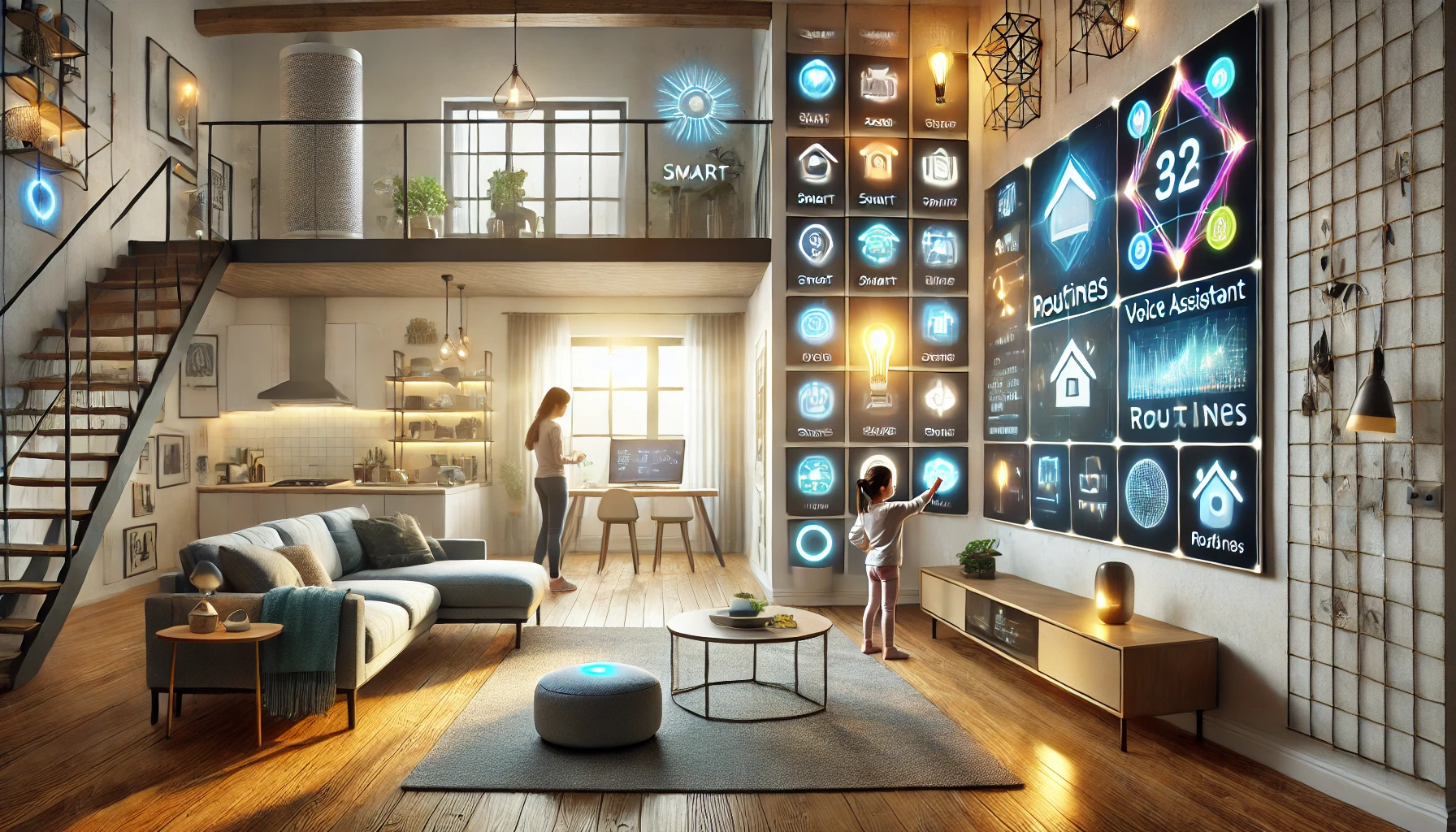
Smart homes are no longer futuristic fantasies — they’re an increasingly common part of everyday life. From voice-controlled lighting and intelligent security systems to energy-saving thermostats and connected appliances, smart home devices are transforming how we live, work, and interact with our spaces.
But the impact goes beyond convenience. These technologies are reshaping home design, personal routines, energy consumption, and even the way we connect with each other.
In this article, we explore how smart home devices are changing modern living, and what it means for homeowners, renters, families, and future generations.
1. Automation is Becoming the New Normal
In the past, home automation was limited to high-end custom systems. Today, it’s as simple as plugging in a smart speaker or installing a Wi-Fi light bulb.
Everyday tasks now automated:
- Turning lights on/off at scheduled times
- Setting the thermostat before arriving home
- Starting the coffee maker with a voice command
- Locking doors remotely
- Receiving alerts when packages arrive
As smart homes become more mainstream, automation is no longer a luxury — it’s expected.
Impact: We’re saving time, avoiding repetitive tasks, and creating smoother daily routines.
2. Personalization at a Whole New Level
Smart homes adapt to your preferences — not just once, but continuously.
Examples of personalization:
- Lights that adjust to your mood or time of day
- Speakers that know which family member is talking
- Thermostats that learn your comfort preferences
- Custom routines for waking up, relaxing, or going to bed
- Smart TVs that recommend content based on your habits
Result: Homes are becoming more responsive and human-centric.
3. Voice Control is Reshaping Interaction
One of the biggest changes is how we interact with our homes. Instead of switches or remotes, many people now say:
- “Alexa, turn off the living room lights.”
- “Hey Google, lock the front door.”
- “Siri, play relaxing music.”
Voice assistants are integrated into smart speakers, TVs, thermostats, and even appliances — giving us a hands-free way to control our environment.
Why it matters: Voice control increases accessibility and adds a layer of natural interaction to our daily routines.
4. Smart Security Is Enhancing Peace of Mind
Smart home security has made protecting your home easier, smarter, and more affordable.
Popular devices:
- Smart cameras with live video
- Doorbell cameras with two-way audio
- Smart locks with app-based control
- Window/door sensors and motion detectors
- Full-home alarm systems with mobile alerts
Many systems are self-installable and provide real-time alerts, allowing homeowners to respond instantly from anywhere in the world.
Bonus: Some insurance providers now offer discounts for homes with smart security setups.
5. Energy Efficiency is More Accessible
One of the most impactful benefits of smart homes is their potential to reduce energy consumption and costs.
Examples:
- Smart thermostats reduce heating/cooling waste
- Smart plugs turn off idle electronics
- Smart lights dim or turn off when not needed
- Blinds close automatically to block heat
You can track energy use through apps and adjust in real-time — or let the system optimize things for you.
Result: Lower bills, a lighter environmental footprint, and more sustainable living.
6. Routines Are Being Reimagined
With automation and integration, families are crafting personalized routines that make daily life smoother.
Common routines:
- Morning: Lights fade in, news plays, coffee starts
- Workday: Noise-cancelling audio, task reminders
- After school: Lights on, snack time notification
- Evening: Movie mode activates, thermostat adjusts
- Bedtime: Devices power down, white noise starts
These routines don’t just improve efficiency — they create structure and calm.
7. Wellness Is Built Into the Environment
Smart homes are increasingly promoting physical and mental wellness.
Examples:
- Air purifiers with smart sensors
- Sleep trackers integrated into lighting and audio
- Guided meditations via smart speakers
- Hydration reminders
- Natural light simulation to support circadian rhythm
By integrating health features into the home, smart devices support holistic well-being.
8. Remote Living and Hybrid Work Are Easier
With more people working from home, smart devices help optimize comfort and productivity.
Work-from-home benefits:
- Smart lighting to reduce eye strain
- Voice assistants for reminders or calls
- Smart displays for calendars and video conferencing
- Temperature control for focus
- Noise-masking tools for concentration
Your home can become a personalized, automated workspace tailored to your needs.
9. Homes Are Becoming More Accessible
Smart technology is also improving accessibility for people with disabilities, seniors, and those with limited mobility.
Features that help:
- Voice control for those who can’t use physical switches
- Smart locks for keyless entry
- Automated lighting for navigation
- Smart sensors for fall detection or inactivity alerts
- Visual or audio cues for hearing or vision-impaired users
Smart homes empower greater independence and safety across generations.
10. Children Are Growing Up With Technology-Native Homes
Today’s children are experiencing smart homes as the norm, not the novelty.
- They use voice commands to play music or ask questions
- Learn routines like “homework time” or “bedtime” via automation
- Can interact with educational content via smart displays
- Become familiar with digital assistants early on
Impact: Their expectations of technology and home living are fundamentally different from past generations.
11. Guests and Visitors Are Experiencing New Convenience
Smart homes aren’t just for residents — they improve experiences for guests too.
Guest-friendly features:
- Temporary smart lock codes
- Voice-controlled lighting
- Smart speakers for music or questions
- Automatic lighting for navigation
- Personalized routines for Airbnb or guest stays
Smart hospitality is becoming a key part of short-term rental success.
12. Maintenance and Home Management Are Smarter
From managing appliances to tracking repairs, smart homes help with daily maintenance.
- Receive alerts when filters need changing
- Smart refrigerators monitor expiration dates
- Leak detectors prevent water damage
- HVAC monitors track system performance
- Smart irrigation adapts to weather
These tools reduce surprises and help preserve the value of your property.
13. Neighborhoods Are Getting Smarter Too
As smart homes become more common, communities are also integrating shared smart features.
- Smart streetlights
- Neighborhood security apps
- Package lockers with app access
- Shared EV charging stations
- Community Wi-Fi access points
This connectivity helps make entire neighborhoods more efficient and safer.
Final Thoughts: The Smart Home Era Has Arrived
Smart home technology is no longer a trend — it’s a transformation. From daily routines to energy use, safety, and social connection, these devices are redefining what “home” means in the modern world.
And while the technology will continue to evolve, the core goal remains the same: to create homes that are easier, safer, more efficient, and more responsive to the people who live in them.
Because in the age of smart living, your home should adapt to you — not the other way around.