
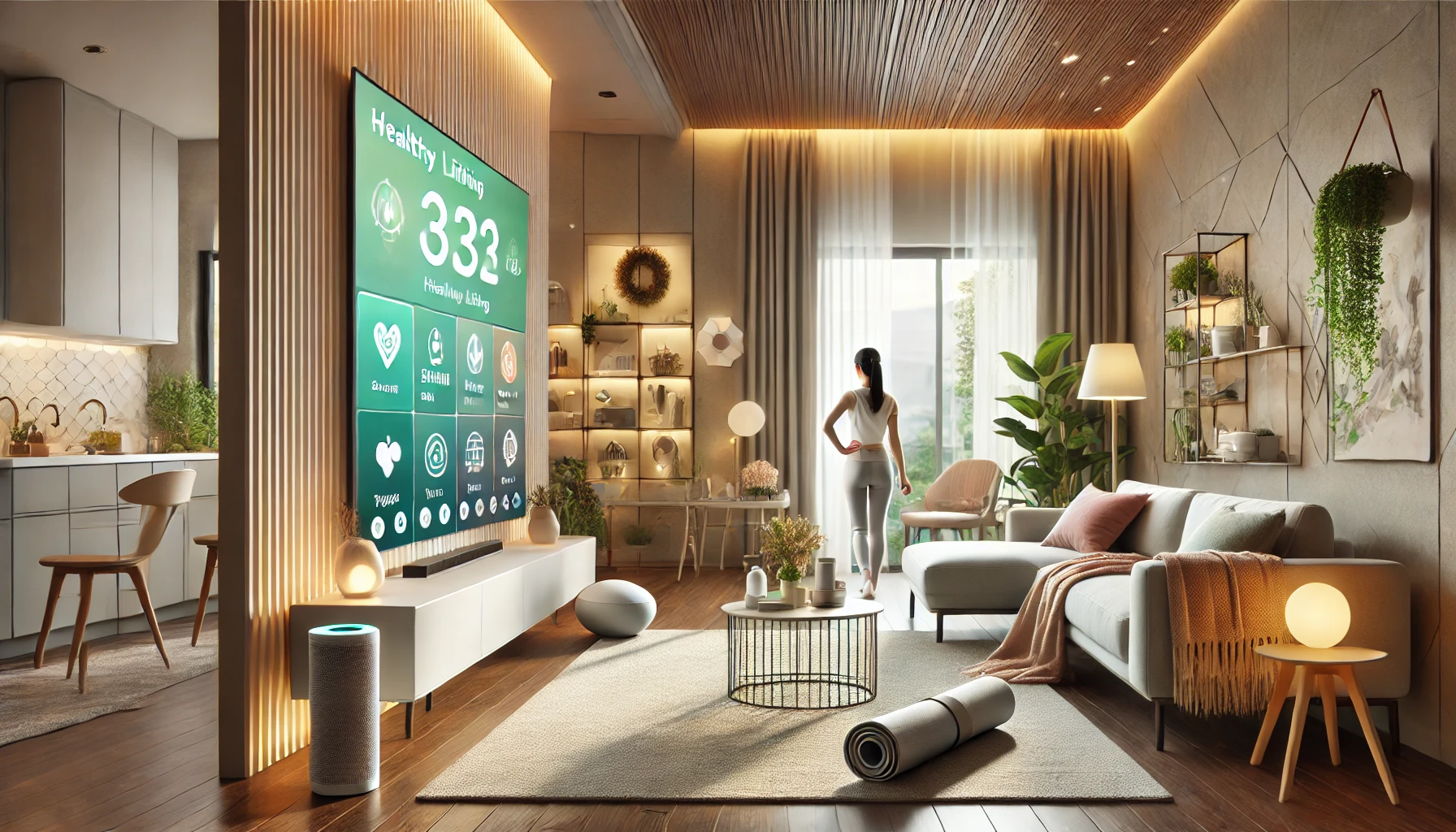
Modern smart homes are more than just convenient — they’re becoming powerful tools to support healthier, more balanced lifestyles. With the integration of smart technology into everyday routines, it’s now easier than ever to monitor wellness, promote good habits, and create environments that naturally support both physical and mental health.
In this article, we’ll explore how smart homes support healthy living, covering devices and systems that improve sleep, air quality, hydration, movement, and mental wellness. Whether you live alone, with a partner, or with a family, your smart home can become a wellness companion tailored to your lifestyle.
Why Healthy Living Begins at Home
Our homes have a profound impact on our overall well-being. From sleep quality to air quality, from nutrition to mental focus — daily life starts and ends in the spaces we live in.
A smart home that promotes health can:
- Help you build better routines
- Encourage movement and hydration
- Monitor environmental factors
- Support sleep and recovery
- Create a calming, balanced atmosphere
- Reduce health risks with timely alerts
The key is to use technology not as a distraction — but as a support system.
1. Improve Sleep With Smart Lighting and Audio
Sleep is one of the most essential pillars of good health, and smart homes offer several ways to improve it.
Smart lighting for better sleep:
- Circadian lighting that mimics natural sunrise/sunset
- Warm white tones in the evening to signal melatonin production
- Fade-to-dark features that gently lull you to sleep
- Sunrise alarms that brighten gradually in the morning
Smart audio for sleep:
- White noise or ambient sound via smart speakers
- Sleep-specific playlists or meditations
- Nighttime routines that lower volume and limit stimulation
Top devices:
- Philips Hue sleep lights
- Hatch Restore
- Google Nest or Echo with ambient sounds
Pro tip: Use routines like “Goodnight” to automate light dimming, noise playing, and screen-off time.
2. Support Physical Activity With Smart Reminders
Staying active at home can be tough — especially if you work remotely or spend long hours indoors.
Smart homes can nudge you toward movement throughout the day:
Smart strategies:
- Voice assistant reminders: “Time to stretch!”
- Smart speakers that play 10-minute workout prompts
- Automated routines that turn on music at exercise times
- Smart TVs or displays that stream guided workouts
- Smartwatches or fitness wearables synced with home devices
Bonus: You can create “Workout Mode” scenes that adjust lighting, start your playlist, and trigger fans.
3. Improve Air Quality and Breathe Better
Poor indoor air quality can lead to headaches, allergies, fatigue, and poor sleep. Smart air devices help monitor and purify the air you breathe.
Smart solutions:
- Air purifiers with real-time monitoring and app control
- Humidity sensors to manage dryness or mold risk
- CO2 monitors to keep fresh air flowing
- Window sensors that prompt ventilation when air is stale
- HVAC integration with air quality adjustments
Devices to consider:
- Dyson Pure Cool
- Awair Element
- Eve Room
- IKEA STARKVIND (budget option)
Automation idea: If air quality drops, your home automatically turns on the purifier or sends a notification.
4. Encourage Hydration and Healthy Habits
Drinking water consistently is an often-overlooked habit that’s vital to health.
Smart home ideas to stay hydrated:
- Use smart speakers to set hydration reminders
- Use smart bottles like HidrateSpark that sync with your home assistant
- Trigger reminders during key routines like “Morning Start” or “Lunch Time”
- Sync hydration alerts with smartwatches
You can also extend these habits to meals, snacks, or supplements using daily reminders and to-do lists on smart displays.
5. Reduce Stress With Calming Smart Features
Your home can become a wellness sanctuary with the right ambiance. Use smart devices to create a calming, mindful environment.
Stress-reducing features:
- Smart lights with soft hues and adjustable brightness
- Ambient soundscapes (rain, forest, fireplace)
- Guided meditation apps via smart speakers or displays
- Routines for “wind-down time” or “digital detox”
Scene example: “Relax Mode” dims lights to 30%, plays ocean waves, and disables notifications.
Devices to explore:
- Google Nest Hub with Calm or Headspace integration
- Amazon Echo with “Guided Meditation” skills
- Smart diffusers that release calming scents on a schedule
6. Support Nutrition and Meal Planning
Smart kitchens and voice assistants make it easier to plan, cook, and track healthy meals.
Smart tools for better eating:
- Smart displays that show recipes and nutrition facts
- Smart fridges that remind you about food expiration
- Grocery list automations based on voice input or usage
- Apps that suggest healthy meals based on preferences
- Voice assistants that offer substitutions or healthy alternatives
Example: “Hey Google, what’s a healthy lunch recipe under 500 calories?”
Smart tech supports not just what you eat — but how easily you stay consistent.
7. Monitor Your Environment With Sensors
Environmental sensors let you see the invisible factors that affect your health at home.
Sensor types to consider:
- Temperature and humidity sensors for comfort and skin health
- VOC detectors to identify chemical irritants
- Motion sensors to encourage activity or light for safe nighttime movement
- Noise sensors to keep your environment peaceful
Integrating these with your routines creates a living space that adjusts to your body’s needs in real time.
8. Track Health Metrics With Wearables and Integration
Wearable tech can now integrate directly with your smart home to automate wellness responses.
Devices that support integration:
- Apple Watch (with HomeKit)
- Fitbit with Google Assistant
- Garmin wearables
- Oura Ring (sleep and readiness data)
Examples:
- If your sleep score is low, your home enters “recovery mode” with soft lighting and quieter notifications
- If stress levels rise, your speaker plays a mindfulness prompt
You’re no longer just tracking health — your environment supports recovery and growth.
9. Create Family Wellness Routines
Smart homes aren’t just for individuals. They can promote family-wide healthy habits.
Ideas:
- “Family Movement Time” routine with music and timer
- Shared reminders for hydration or screen breaks
- Smart display calendar for meal planning or bedtime
- Wind-down routines that activate across rooms for kids
Teach children to interact with technology in positive, balanced ways through guided use and joint routines.
10. Automate Safety for Peace of Mind
Health also includes safety. Smart homes can detect emergencies or risky conditions faster than we can.
Smart safety features:
- Smoke and carbon monoxide detectors with alerts
- Fall detection or inactivity sensors for elderly family members
- Smart locks that confirm the house is secure
- Notifications for door/window status during the night
- Cameras with motion detection and alert systems
Safety automations remove the need to worry — and allow for quicker action in real-time situations.
Final Thoughts: A Smarter Path to Well-Being
Your home should be your healthiest space — and with the power of smart technology, that goal is now more achievable than ever. From better sleep and cleaner air to hydration reminders and stress relief, your smart home can guide and support your wellness journey every single day.
Because when your home helps you feel better, live better, and move better — that’s what smart living is all about.