
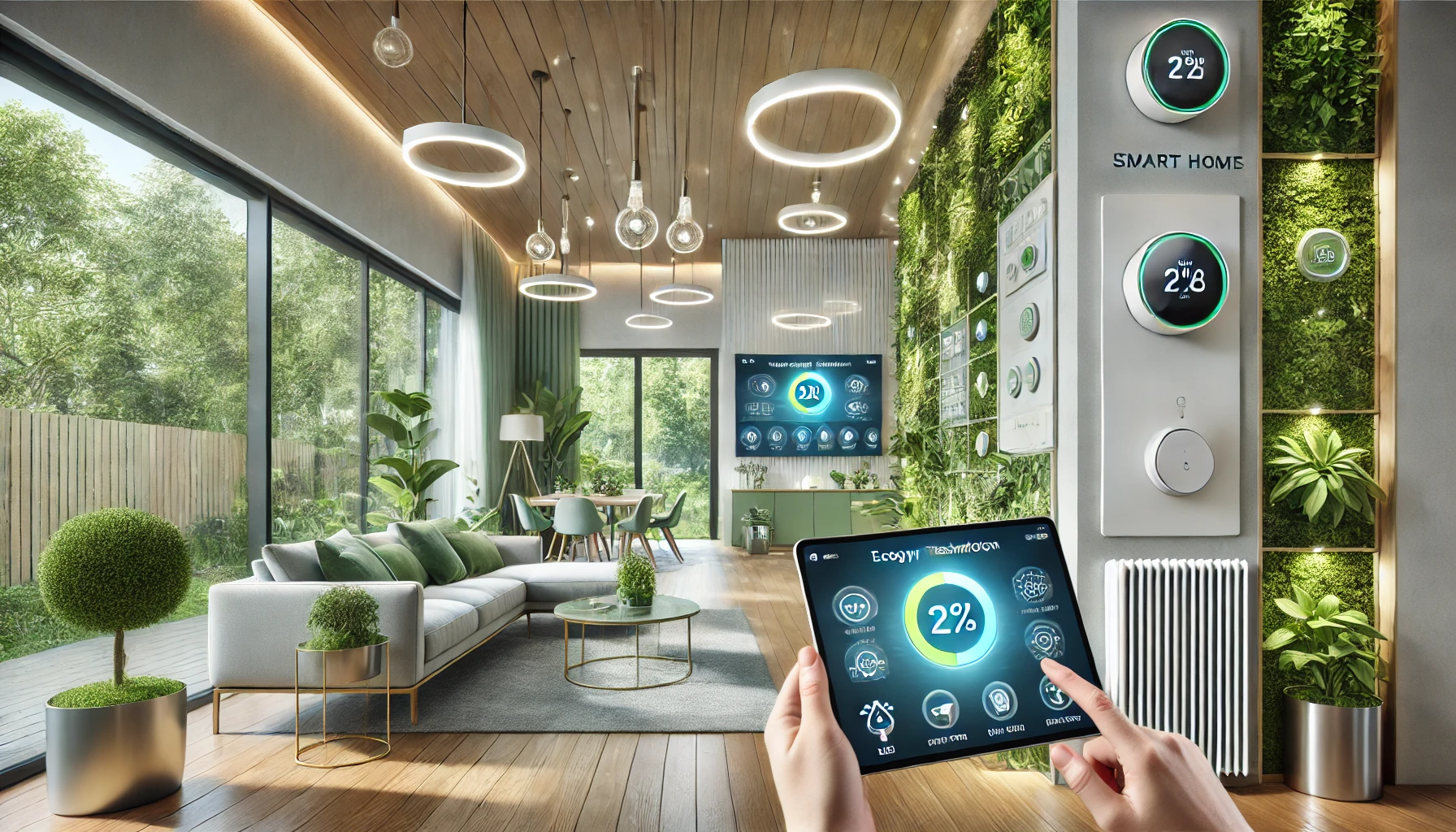
Smart home technology is often celebrated for its convenience, security, and comfort. But beyond these lifestyle perks, it also has the power to support a more sustainable way of living. With the right setup and intentional use, your smart home can help reduce your carbon footprint, lower utility bills, and encourage greener habits.
In this article, we’ll explore how to make your smart home eco-friendly — from choosing energy-saving devices to automating sustainable routines. Whether you’re starting with a single smart plug or transforming an entire household, these tips will guide you toward smarter, greener living.
Why Eco-Friendly Smart Homes Matter
Climate change, rising energy costs, and water scarcity are pressing global issues. While individual households may feel small in the grand scheme, collective action can have a major impact. A smart home, when optimized for efficiency, gives you the tools to monitor and reduce resource consumption in real time.
The key benefits of an eco-conscious smart home:
- Lower energy and water usage
- Reduced greenhouse gas emissions
- Increased efficiency without sacrificing comfort
- Real-time awareness of your environmental impact
- Long-term financial savings
The result? A more intelligent home that benefits both you and the planet.
1. Start With a Smart Thermostat
Heating and cooling make up about half of the average home’s energy use. A smart thermostat is one of the easiest and most impactful upgrades.
What it can do:
- Automatically adjust temperature based on occupancy or time of day
- Detect when you leave home and switch to eco mode
- Learn your habits to optimize heating/cooling cycles
- Track usage and suggest improvements
- Integrate with weather data for real-time adjustments
Best options:
- Google Nest Learning Thermostat
- Ecobee SmartThermostat
- Honeywell Home T9
Savings potential: Up to 20–25% off heating and cooling bills annually.
2. Upgrade to Smart LED Lighting
Lighting accounts for 10–15% of electricity use in the average household. Smart LED lights not only use up to 80% less energy than incandescent bulbs, but they also offer deeper control.
Features that promote efficiency:
- Dimming capabilities to use only the light you need
- Schedules and timers to avoid unnecessary use
- Motion sensors that turn off lights in unoccupied rooms
- Integration with voice assistants or routines
Recommended brands:
- Philips Hue
- Wyze Bulbs
- TP-Link Kasa
- LIFX
Pro tip: Use smart switches in combination with LEDs for maximum savings in larger lighting setups.
3. Install Smart Plugs to Cut Phantom Loads
Even when turned off, many devices (TVs, chargers, gaming consoles) still draw power — known as “phantom load.” Smart plugs let you eliminate this waste by cutting power completely when devices aren’t in use.
Smart plug benefits:
- Automate schedules for off-hours
- Monitor energy usage for each plug
- Turn off devices remotely
- Group high-consumption devices for optimized control
Top models:
- Kasa Smart Plug with Energy Monitoring
- Wemo Insight Plug
- Meross Smart Plug
Best use cases: Plug-in heaters, entertainment systems, kitchen gadgets, or home offices.
4. Save Water With Smart Irrigation Systems
Outdoor watering can be one of the biggest water-wasters — especially when it’s done manually or based on rigid schedules.
How smart irrigation helps:
- Detects soil moisture, rainfall, and temperature
- Adjusts watering based on real-time weather
- Skips watering after rain or during storms
- Sends water usage reports
- Saves time and reduces overwatering risk
Recommended devices:
- Rachio 3
- Orbit B-hyve
- Netro Spark
Impact: Homeowners using smart irrigation have reported up to 50% reduction in outdoor water use.
5. Use Smart Blinds or Curtains to Regulate Temperature
Natural sunlight can warm your home in winter or overheat it in summer. Smart blinds help manage this passively.
Smart blinds features:
- Open in the morning to warm a room naturally
- Close in the afternoon to prevent heat buildup
- Respond to outdoor temperature or sunlight levels
- Integrate with your HVAC system or routines
Best options:
- SwitchBot Curtain
- Soma Smart Shades
- IKEA FYRTUR
Eco tip: Pair blinds with a smart thermostat to reduce HVAC use by up to 15%.
6. Detect Water Waste Early With Leak Sensors
Water leaks waste billions of gallons every year and can cause costly damage. Smart leak detectors allow you to catch small problems before they become big ones.
What they do:
- Alert you when a leak is detected
- Integrate with shutoff valves (in some models)
- Track temperature or humidity near pipes
- Ideal for bathrooms, under sinks, or basements
Popular leak sensors:
- Flo by Moen
- Honeywell Lyric Water Leak Detector
- YoLink Water Sensor
Financial benefit: Preventing one leak can save thousands in repair costs and gallons of wasted water.
7. Monitor Overall Energy Use With Smart Meters
Beyond individual devices, smart home energy monitors give you a whole-home view of your electricity consumption.
Features to look for:
- Live and historical energy tracking
- Identification of energy-hogging appliances
- Alerts for unusual spikes
- Goal setting for daily/weekly use
Best monitors:
- Sense Home Energy Monitor
- Emporia Vue
- Wiser Energy Monitor
Insight: Knowing your energy habits is the first step to changing them.
8. Set Eco-Friendly Automations and Routines
With your smart home connected, the real magic happens through automation.
Automation ideas:
- “Eco Mode” routine: dims lights, lowers thermostat, shuts off plugs
- “Away Mode”: turns off everything when you leave home
- “Goodnight Routine”: closes blinds, powers down entertainment, starts white noise
- “Laundry Alert”: notifies you when the washer finishes to reduce idle time
Use geofencing to activate energy-saving actions when you leave, or time-based routines to keep things efficient without effort.
9. Choose Smart Appliances With Eco Modes
Newer appliances come with smart features that offer significant energy and water savings.
What to look for:
- Energy Star certification
- Eco cycles for washers and dishwashers
- App control to monitor and delay usage
- Alerts for filter changes or energy overuse
- Refrigerator door alarms and temperature tracking
Examples:
- LG ThinQ Smart Appliances
- Samsung SmartThings-connected fridges and washers
- GE Smart Dishwashers with Wi-Fi
Tip: Delay appliance use to off-peak energy hours (often at night) to help balance grid load and save money.
10. Make Recycling and Sustainability a Household Habit
Sustainability goes beyond smart tech — it’s about behavior too.
Smart home strategies that support eco habits:
- Use voice assistants to set recycling reminders
- Program weekly routines for compost days or eco challenges
- Create automated shopping lists that avoid food waste
- Use smart displays to share family sustainability goals (like using less plastic or turning off lights)
Example: “Alexa, remind me every Sunday to take out the recycling and check the pantry for expired food.”
Final Thoughts: Smarter Living for a Greener Future
Turning your home into a smart home isn’t just about comfort — it’s an opportunity to live with intention. Every connected device offers a chance to consume more wisely, automate greener habits, and reduce your impact on the environment.
From thermostats and lights to irrigation and automation routines, building an eco-friendly smart home is one of the most forward-thinking decisions you can make — for yourself, your wallet, and the planet.
Because in a truly smart home, every action — even the invisible ones — makes a difference.