
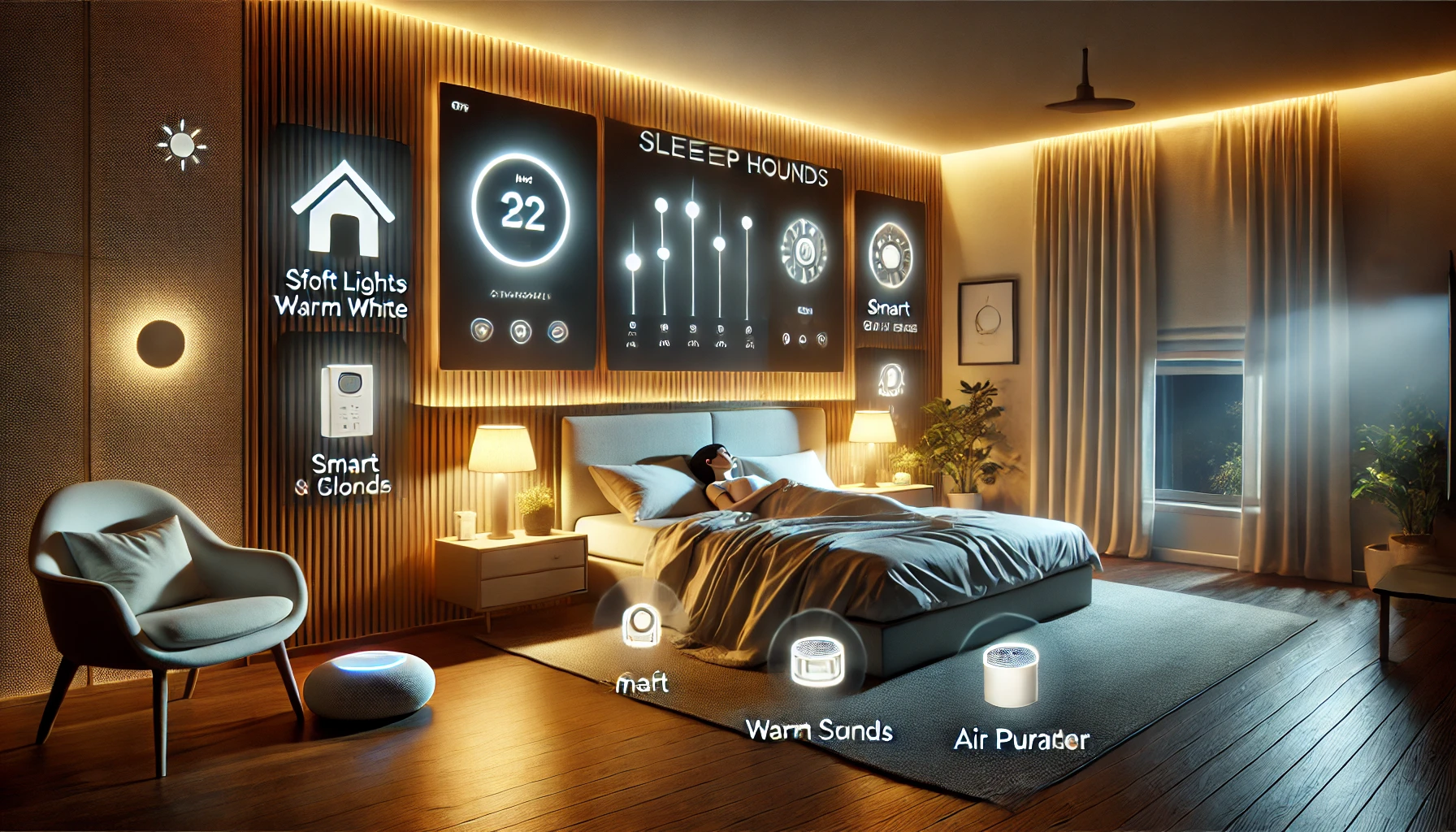
A good night’s sleep is essential for your health, focus, mood, and overall well-being. Yet for many people, falling — and staying — asleep isn’t always easy. That’s where smart home technology can step in and make a real difference.
With the right devices and routines in place, your smart home can be designed to support deeper, more restful sleep — automatically adjusting light, temperature, sound, and even scent to help your body relax and stay asleep longer.
In this article, you’ll discover how smart home devices can improve your sleep, which gadgets are most effective, and how to build a personalized, sleep-friendly environment using automation.
Why Sleep Optimization Matters
Poor sleep doesn’t just leave you feeling groggy — it has real effects on your body and mind. Chronic sleep issues are linked to:
- Weakened immune system
- Increased stress and anxiety
- Memory and concentration problems
- Weight gain and metabolic issues
- Higher risk of heart disease
On the other hand, optimizing your environment for sleep can lead to:
- Faster sleep onset
- Fewer nighttime awakenings
- Improved REM and deep sleep
- More energized mornings
- Better emotional balance
Let’s explore how smart technology can help you unlock those benefits — effortlessly.
1. Smart Lights for Circadian Rhythm Support
Your body’s internal clock (circadian rhythm) is highly sensitive to light. Exposure to bright or cool-toned light in the evening can trick your brain into thinking it’s still daytime, delaying melatonin production.
Smart lighting solves this by:
- Gradually dimming as bedtime approaches
- Shifting to warm tones in the evening
- Mimicking sunrise to wake you gently
- Turning off automatically after you fall asleep
Recommended products:
- Philips Hue White Ambiance Bulbs
- LIFX Smart Bulbs
- Govee Ambient Light Strips
- Wyze Smart Bulbs (budget option)
Automation tip: Set a “wind-down” routine to gradually dim lights over 30–60 minutes before bed.
2. Smart Plugs for Powering Down Electronics
Blue light from screens and electronic devices can interfere with melatonin production. Use smart plugs to automatically turn off TVs, lamps, chargers, and other electronics at a set time.
Smart plugs also help you:
- Avoid forgetting to turn off heated blankets or fans
- Automate your entire bedtime scene
- Save energy while you sleep
Great options:
- TP-Link Kasa Smart Plug
- Wemo Smart Plug
- Meross Smart Plug with scheduling features
Why it matters: Removing screen glare and electrical noise creates a calmer bedroom atmosphere.
3. Smart Thermostats for Ideal Sleeping Temperature
Temperature plays a huge role in sleep quality. Experts recommend a room temperature between 60–67°F (15–19°C) for optimal sleep.
Smart thermostats help by:
- Lowering the temperature automatically at bedtime
- Adjusting climate gradually so you stay asleep
- Monitoring room temperature via sensors
- Warming the room just before you wake up
Best models:
- Ecobee SmartThermostat with room sensors
- Nest Learning Thermostat
- Honeywell T9 Smart Thermostat
Bonus tip: Create a routine where the thermostat lowers by 2–3 degrees an hour before bed, and returns to normal by wake-up.
4. Smart Curtains or Blinds for Darkness and Light Timing
Too much light in your bedroom — from streetlights, passing cars, or early sunrise — can interrupt your sleep.
Smart curtains help by:
- Closing automatically at night
- Opening gradually in the morning to wake you with natural light
- Syncing with your schedule or sunrise/sunset times
- Blocking out external light to support melatonin production
Recommended devices:
- SwitchBot Curtain (affordable and easy to install)
- IKEA FYRTUR Smart Blinds
- Zemismart Smart Roller Shades
Why it helps: A darker room signals your brain it’s time to sleep, while natural morning light helps you wake up gently.
5. Smart Speakers and Sleep Sounds
Smart speakers are great bedtime companions when used thoughtfully. They can play relaxing audio to help you unwind and block distracting noise.
Audio ideas:
- White noise or pink noise
- Ocean waves or rainfall
- Guided sleep meditations
- Soothing music or nature soundtracks
Best speakers for sleep:
- Amazon Echo (with Alexa Sleep Sounds skill)
- Google Nest Audio (with ambient sound routines)
- Apple HomePod Mini (for Apple Music sleep playlists)
Routine idea: Say “Alexa, good night” to start your sleep sounds, dim the lights, and lower the thermostat all at once.
6. Smart Sleep Trackers and Displays
Want to understand how well you’re sleeping? Smart displays and trackers offer insights into your sleep stages, quality, and disturbances.
Top sleep-aware devices:
- Google Nest Hub (2nd Gen) – Tracks breathing, movement, and sound without wearables
- Withings Sleep Analyzer – Slides under your mattress
- Oura Ring or Fitbit Sense – Wearable tracking devices
- Apple Watch – Integrated with iOS sleep tracking
What they monitor:
- Sleep stages (light, deep, REM)
- Sleep duration and interruptions
- Breathing patterns
- Snoring and environmental noise
Use the data to adjust your sleep environment and habits over time.
7. Smart Air Purifiers and Humidifiers
Air quality affects breathing, comfort, and how easily you fall asleep. Dry air, allergens, or stuffiness can disrupt your rest — especially for allergy sufferers.
Smart air devices can:
- Detect and remove allergens or dust
- Maintain optimal humidity levels (30–50%)
- Shut off or quiet down once you’re asleep
- Be controlled by app or voice
Recommended devices:
- Levoit Core 300S Smart Air Purifier
- Dyson Pure Cool
- TaoTronics Smart Humidifier
- Mi Smart Humidifier
Why it helps: Better air = better breathing = better sleep.
8. Automating Your Bedtime Routine
Once you have the right smart devices, it’s time to create a bedtime routine that works for you. Use your voice assistant or smart home app to combine actions into one trigger.
Example routine: “Sleep Mode”
- 9:45 PM:
- Lights dim to 20% warm white
- Smart speaker plays ocean waves
- Smart plug turns off screen devices
- Thermostat lowers temperature
- Curtains close
- Air purifier turns on
- Notifications silenced
Tip: Keep your routine consistent to help train your body and mind for sleep.
Additional Sleep-Friendly Smart Features
- Smart Mattresses (like Sleep Number 360): Adjust firmness, track sleep, or warm your bed
- Sunrise Alarm Clocks (like Hatch Restore): Use gentle light instead of loud alarms
- Smart Aromatherapy Diffusers: Use calming scents like lavender as part of your wind-down
- Smart Watches: Set silent alarms that gently vibrate to wake you without noise
Sleep Tips to Pair With Smart Devices
Smart tech is a tool — but the best results come when paired with healthy sleep habits.
- Limit screen time 1 hour before bed
- Avoid caffeine or heavy meals late at night
- Use your bed only for sleep
- Stick to a consistent bedtime
- Keep your room dark, quiet, and cool
Let your smart home handle the environment — while you focus on restful habits.
Final Thoughts: Smarter Sleep Starts With Smarter Surroundings
Your bedroom isn’t just where you sleep — it’s where you recharge, reset, and restore. Smart home devices give you more control over that environment, helping you ease into sleep and wake up refreshed.
By integrating lights, sound, temperature, and routines into one seamless experience, you create a sleep sanctuary tailored to you — and powered by thoughtful technology.
Because the smarter your home gets… the better you sleep.