
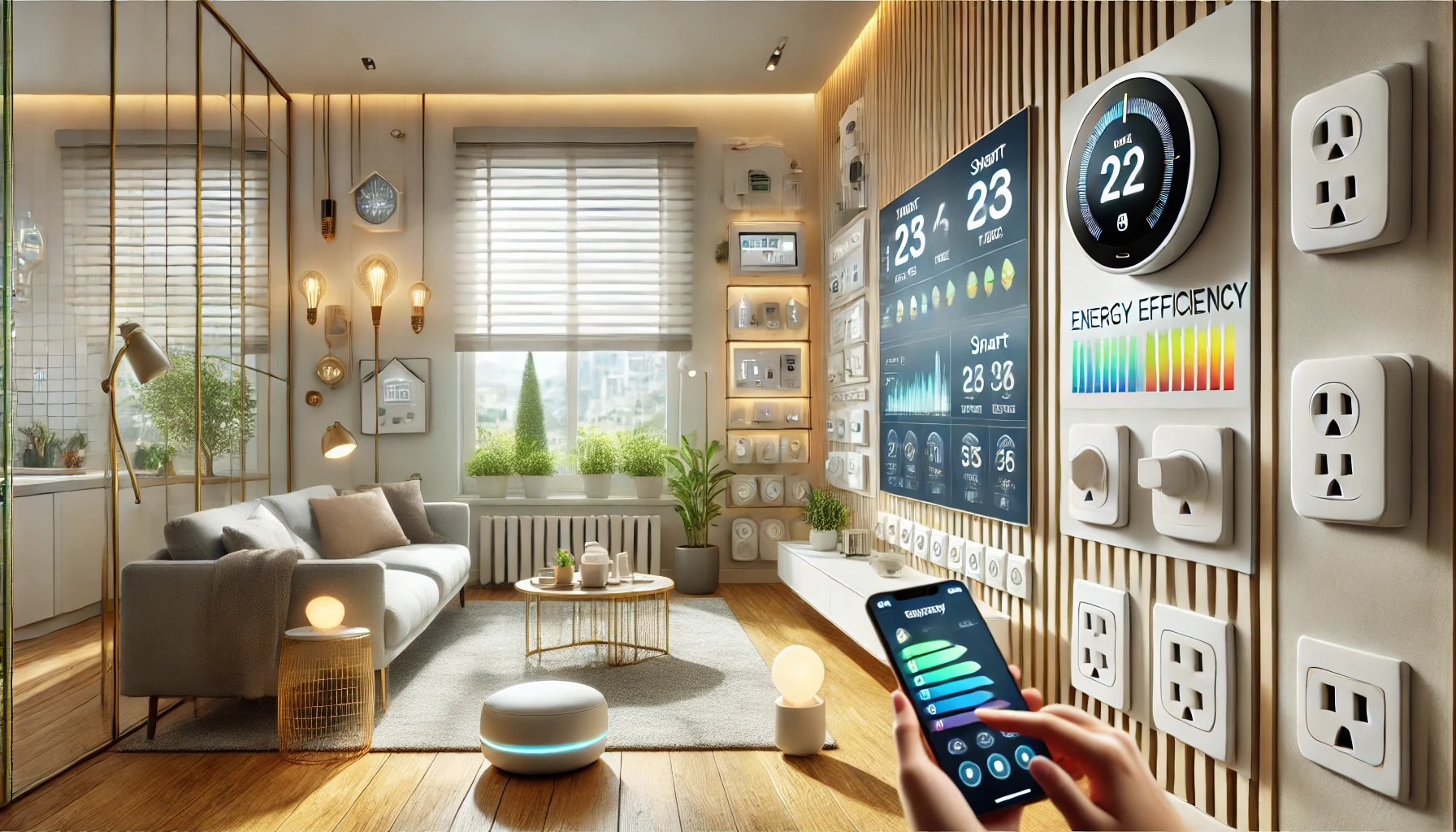
Reducing energy consumption is a goal that benefits both your wallet and the planet. But while traditional advice often means sacrificing comfort or convenience, today’s smart home technology offers a better solution: automate energy efficiency without changing your daily habits.
With the right combination of smart devices and thoughtful automation, you can monitor and reduce your home’s energy use — all while maintaining a comfortable, modern lifestyle.
In this guide, you’ll learn how to save energy with smart home devices, which products offer the best return on investment, and how to build routines that minimize waste without lifting a finger.
Why Energy Efficiency Matters More Than Ever
Energy costs are rising globally, and households are under pressure to lower their utility bills. At the same time, climate change is driving the need for more sustainable living.
Smart devices help address both challenges by:
- Cutting down on unnecessary usage
- Providing real-time feedback and suggestions
- Automating adjustments based on presence, time, or weather
- Making sustainable choices feel effortless
Instead of remembering to turn off the lights or thermostat, your home can do it for you — intelligently.
Key Areas Where Homes Waste Energy
To design an efficient smart home, it’s helpful to understand where most energy is lost. The biggest culprits include:
- Heating and cooling systems (HVAC)
- Lighting left on unnecessarily
- Phantom load from plugged-in electronics
- Inefficient appliances
- Hot water usage
- Poor temperature regulation due to lack of automation
Smart tech can target all these areas and reduce your energy footprint.
1. Smart Thermostats: The Heart of Energy Savings
Heating and cooling account for nearly 50% of the average home’s energy use. A smart thermostat is one of the most impactful upgrades you can make.
Benefits:
- Learns your schedule and adjusts automatically
- Detects when you leave home and turns off HVAC
- Adjusts temperature based on weather forecasts
- Offers energy reports and suggestions
- Allows remote control from your phone
Recommended models:
- Nest Learning Thermostat
- Ecobee SmartThermostat with sensors
- Honeywell Home T9
Bonus tip: Pair your thermostat with room sensors to only heat or cool occupied areas.
2. Smart Lighting: Bright Savings with Minimal Effort
Traditional lighting can waste electricity, especially when left on unnecessarily. Smart lighting solves this by automating control and allowing remote access.
Energy-saving features:
- Automatic shutoff when no motion is detected
- Dimming options to reduce power usage
- Scheduling based on time or sunset
- Group control (turn off all lights with one command)
- Use of energy-efficient LED bulbs
Best products:
- Philips Hue
- Sengled Smart LED
- LIFX bulbs
Automation idea: Set hallway lights to turn on only when motion is detected — and turn off after 2 minutes.
3. Smart Plugs and Power Strips: Eliminate Phantom Load
Did you know many devices draw power even when turned off? This “phantom load” can make up 5–10% of your electricity bill.
Smart plugs help you:
- Cut off power completely when devices are not in use
- Schedule or automate shutoff at night or during work hours
- Monitor energy use by individual device
- Control groups of electronics at once
Great options:
- TP-Link Kasa Smart Plug
- Wemo Insight Smart Plug
- Eve Energy with HomeKit
Best use cases: Entertainment centers, office equipment, kitchen appliances, phone chargers.
4. Smart Appliances: Smarter Use of Power
Smart versions of everyday appliances offer real-time control, scheduling, and energy-efficient features that go beyond traditional models.
Energy-efficient smart appliances include:
- Washers and dryers with load sensors and delay timers
- Refrigerators with energy monitoring and alerts for open doors
- Ovens that preheat only when needed and notify you when ready
- Dishwashers that run during off-peak hours
Top brands: LG ThinQ, Samsung SmartThings, GE Smart HQ
Savings tip: Set your washer or dishwasher to run after 10 PM to take advantage of lower energy rates (if available in your area).
5. Smart Blinds and Curtains: Control Sunlight Naturally
Natural light can help warm your home during winter and reduce lighting needs during the day. In summer, blocking heat from the sun can reduce AC usage.
Features of smart shading:
- Open or close based on temperature or sunlight
- Pair with thermostat for temperature regulation
- Schedule based on sunrise/sunset
- Automate based on weather forecasts
Great products:
- IKEA FYRTUR Smart Shades
- SwitchBot Curtain
- Lutron Serena Smart Shades
Automation idea: Open blinds during cold mornings for passive heating; close them in the afternoon during heatwaves.
6. Smart Energy Monitors: Know Where You’re Losing Power
You can’t improve what you don’t measure. Smart energy monitors give you a complete picture of your electricity use, device by device.
What they do:
- Monitor usage in real time
- Identify energy hogs
- Send alerts when usage is unusually high
- Provide tips for efficiency
- Allow tracking by appliance or room
Leading monitors:
- Sense Energy Monitor
- Emporia Vue
- Eyedro Home Energy Monitor
Bonus: Many utilities offer rebates for installing home energy monitoring systems.
7. Smart Water Heaters and Leak Sensors
Heating water is another major source of energy use. Smart water heaters let you:
- Set usage schedules
- Track usage
- Turn off heating during times of low demand
Pair them with smart leak sensors to avoid costly damage and water waste.
Suggested products:
- Rheem EcoNet Smart Water Heater
- Moen Flo Leak Sensor
- Honeywell Lyric Water Leak Detector
Automation idea: Get notified if the water heater is running at unusual times, or if a leak is detected under the sink.
8. Smart Irrigation Systems: Save Water and Energy Outside
Landscaping can use a surprising amount of water and energy. Smart sprinkler systems adjust watering based on:
- Local weather
- Soil moisture
- Time of day
- Seasonality
Best smart irrigation systems:
- Rachio 3 Smart Sprinkler Controller
- Orbit B-hyve
- Netro Smart Sprinkler
Why it matters: Reduces outdoor water use by up to 50%, while keeping your garden healthy.
Building an Energy-Saving Smart Home Routine
To maximize savings, automate your home based on behavior, not just time. Here’s an example routine for weekdays:
Morning (6:30 AM):
- Thermostat raises temperature slightly
- Kitchen lights and coffee maker turn on
- Water heater begins preheating
- Blinds open to let in morning light
Leaving Home (8:00 AM):
- Lights turn off
- Thermostat sets to eco mode
- Smart plugs cut power to entertainment devices
- Cameras and security system activate
Afternoon (5:00 PM):
- Thermostat pre-cools home
- Lights gradually turn on based on natural light levels
- Blinds adjust to reduce glare and heat
Night (10:30 PM):
- Lights dim or turn off
- Thermostat lowers to sleep setting
- All unnecessary devices shut down via smart plugs
- Blinds close automatically
Tips to Maximize Efficiency with Smart Devices
- Use voice assistants (Alexa, Google, Siri) to quickly control devices hands-free
- Group devices by room or scene to simplify commands
- Schedule updates to keep all devices operating efficiently
- Claim utility rebates for smart thermostats, monitors, and appliances
- Review usage reports monthly to identify trends and savings opportunities
Common Mistakes to Avoid
- Over-automating: Too many triggers can lead to confusion or devices clashing. Keep it simple.
- Ignoring compatibility: Always check if your devices work with your ecosystem (Alexa, Google, Apple).
- Failing to monitor performance: Check reports and adjust routines over time.
- Leaving old appliances running: Unplug or replace outdated, inefficient electronics.
Final Thoughts: Make Energy Efficiency Effortless
Smart home technology has the power to transform the way we manage energy. Instead of relying on habits or reminders, your devices can take care of savings for you — adjusting based on real-time conditions, preferences, and schedules.
Whether you’re looking to lower your energy bill, reduce your carbon footprint, or simply modernize your home, smart energy solutions offer measurable value.
Start with one or two devices, track your progress, and build a system that works in the background — so you can focus on living smarter, not harder.
Energy efficiency isn’t just responsible — it’s smart. And now, your home can be too.