
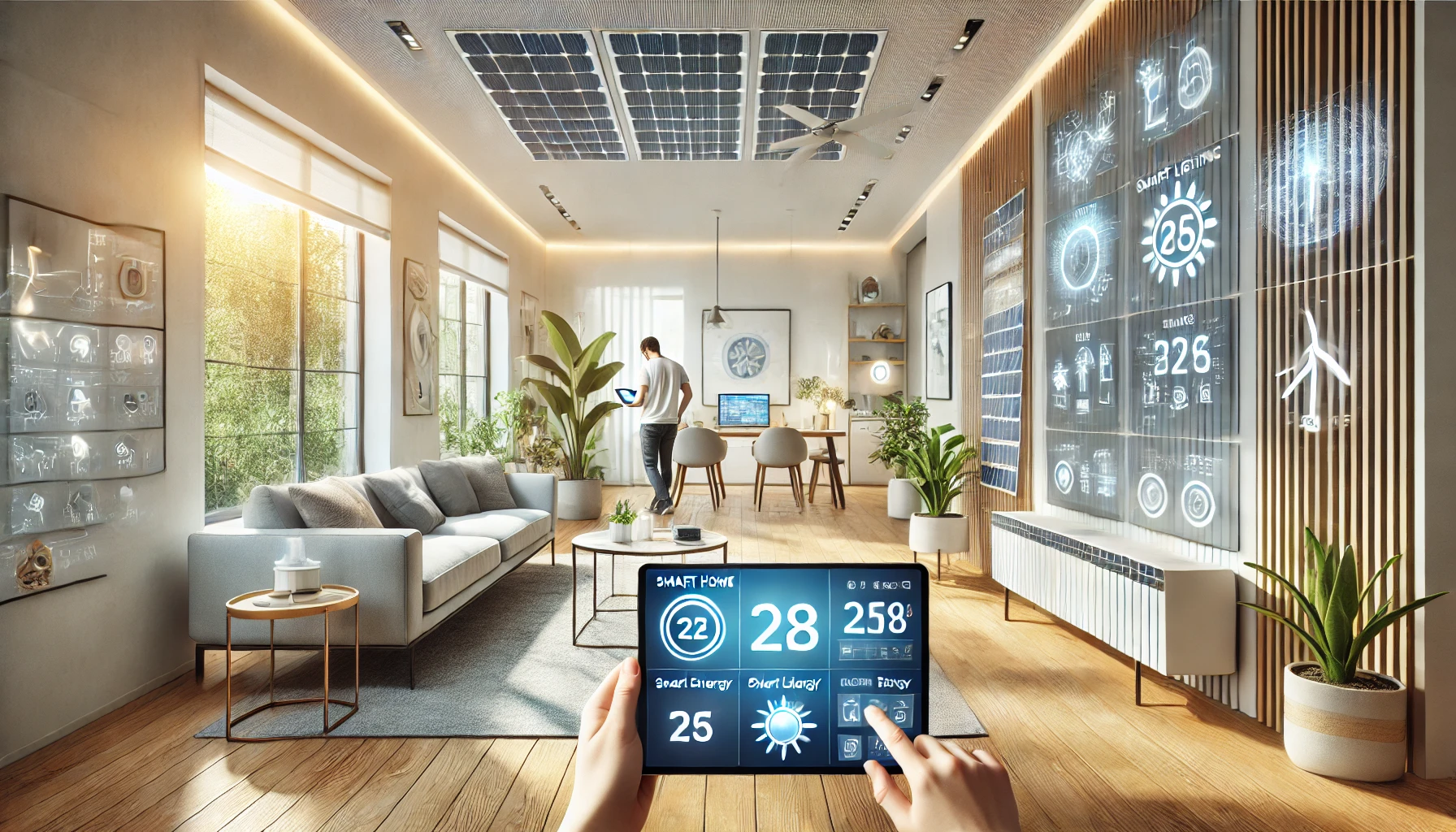
As energy costs rise and environmental concerns become more urgent, homeowners everywhere are looking for smarter ways to reduce consumption without sacrificing comfort. One of the most effective solutions? Building an energy-efficient smart home.
Smart home technology isn’t just about convenience or cool features — it’s a powerful way to automate energy savings, monitor usage in real-time, and reduce waste. Whether you’re starting from scratch or looking to optimize your current setup, this guide will walk you through the best devices, strategies, and routines for creating a home that’s as efficient as it is intelligent.
What Is an Energy-Efficient Smart Home?
An energy-efficient smart home uses connected devices and automation to monitor, manage, and reduce energy usage. It’s about blending technology with sustainability — making your home more responsive, more cost-effective, and more environmentally friendly.
Key characteristics:
- Uses smart devices to reduce unnecessary energy use
- Provides data insights on consumption patterns
- Enables remote and automated control
- Adapts to behavior and environmental changes
Why Energy Efficiency Matters
💸 Save Money
Energy-efficient homes lower utility bills by reducing waste and optimizing usage — especially heating, cooling, and lighting.
🌍 Protect the Environment
Reducing your energy consumption helps lower greenhouse gas emissions and your home’s carbon footprint.
🏠 Increase Home Value
Smart, efficient homes appeal to eco-conscious buyers and can increase property value.
💡 Boost Convenience
Automation simplifies your life, managing your home’s systems with little input from you.
Step-by-Step Guide to Building an Energy-Efficient Smart Home
Step 1: Assess Your Current Energy Usage
Before adding smart gadgets, you need to know where you’re using (or losing) the most energy.
Start with:
- Reviewing your utility bills
- Identifying high-consumption appliances
- Checking for drafts or insulation issues
- Testing lighting systems
Optional upgrade:
Install a smart energy monitor like Sense or Emporia Vue to track real-time usage by device and get personalized savings tips.
Step 2: Prioritize Smart Thermostats
Heating and cooling account for roughly 50% of the average home’s energy use. A smart thermostat is one of the most impactful upgrades you can make.
Benefits:
- Learns your habits and auto-adjusts
- Turns off when you’re away
- Reduces overuse during peak hours
- Integrates with weather forecasts
Top choices:
- Nest Learning Thermostat
- Ecobee SmartThermostat
- Honeywell Home T9
Pro tip: Pair with smart window sensors to turn off HVAC when windows are open.
Step 3: Upgrade to Smart Lighting
Traditional incandescent bulbs waste energy. Smart LED bulbs use a fraction of the electricity and last significantly longer.
What smart lighting offers:
- Dimming and scheduling
- Voice control
- Presence-based automation
- Color temperature adjustments for energy optimization
Recommended systems:
- Philips Hue
- Sengled Smart LED
- LIFX Bulbs
Bonus: Set lights to auto-turn off when rooms are unoccupied.
Step 4: Automate Outlets with Smart Plugs
Appliances draw power even when not in use — it’s called “phantom load.” Smart plugs help eliminate that waste.
What they do:
- Turn devices off remotely or on schedule
- Monitor energy consumption
- Set eco-friendly routines
Great for:
- TVs
- Consoles
- Coffee makers
- Lamps
Smart plugs like TP-Link Kasa or Wemo Insight help you track and control energy from smaller devices.
Step 5: Monitor and Manage Energy With Smart Appliances
Modern appliances are smarter and greener than ever. Many include built-in Wi-Fi, allowing for remote operation, energy-saving modes, and alerts.
Look for smart versions of:
- Refrigerators with internal cameras and temperature controls
- Dishwashers with eco-mode and cycle sensors
- Washers/dryers that adapt to load size
- Ovens with preheat scheduling and auto shutoff
Brands like Samsung SmartThings, LG ThinQ, and GE Smart HQ offer app-connected appliances that learn your habits and optimize performance.
Step 6: Use Smart Sensors and Automation
Integrating sensors into your home allows for smarter, more energy-efficient automation.
Examples:
- Motion sensors: Turn lights off in empty rooms
- Temperature sensors: Regulate HVAC based on specific zones
- Window/door sensors: Pause HVAC when windows are open
- Sunlight sensors: Adjust blinds and lighting based on daylight
Combine them into routines like:
- “Leaving Home” turns off lights, lowers thermostat, shuts blinds
- “Morning” opens blinds, adjusts heat, turns on necessary lights
Step 7: Optimize with Smart Blinds and Shades
Windows are a major source of energy gain or loss. Smart blinds help regulate indoor temperature naturally.
Smart shading systems:
- Open automatically in the morning to let in warmth
- Close during peak sun hours to keep rooms cool
- Can be scheduled or sensor-activated
Popular options:
- Lutron Serena Shades
- Ikea FYRTUR
- Somfy Smart Blinds
Use in tandem with lighting and HVAC to create a fully responsive environment.
Step 8: Consider Renewable Energy Integration
Already thinking about solar panels or battery systems? Smart home tech can help you manage and optimize your production and usage.
Smart energy tools:
- Tesla Powerwall or Enphase for solar storage
- Smart inverters that track solar production
- EV chargers like JuiceBox that operate during off-peak hours
Monitor all of it through apps and automate usage based on weather, production levels, or grid demand.
Real-World Example: Energy-Saving Smart Home Routine
Here’s what a typical day in an energy-efficient smart home might look like:
Morning
- Lights gradually brighten at sunrise
- Thermostat increases to comfortable level
- Coffee maker starts via smart plug
- Blinds open to bring in natural light
Daytime
- Thermostat shifts to eco mode while you’re out
- All unused lights and appliances turn off automatically
- Solar panels charge battery storage
- EV charges during low-cost hours
Evening
- Smart lighting adjusts based on room usage
- Dishwasher runs on a delayed schedule at night
- HVAC cools only rooms in use
- Smart speaker announces energy usage stats
These routines not only improve comfort but can cut monthly energy bills by 15–30% or more, depending on your home and climate.
Tips for Maintaining Long-Term Efficiency
- Regularly check energy reports to spot trends and optimize devices
- Update firmware for all smart devices to ensure peak performance
- Group devices into scenes like “Eco Mode,” “Vacation,” or “Work From Home”
- Use voice assistants to simplify controls
- Stay educated: Energy-saving trends and gadgets evolve rapidly
Common Mistakes to Avoid
- Overcomplicating automation: Start simple, then build
- Mixing incompatible devices: Stick to one ecosystem (Alexa, Google, or Apple)
- Ignoring network setup: Use mesh Wi-Fi for strong signals throughout the home
- Underestimating phantom loads: Smart plugs are key to managing them
Final Thoughts: Make Your Home Smarter and Greener
Smart homes aren’t just about fancy gadgets — they’re powerful tools for building a more sustainable, cost-effective lifestyle. With thoughtful planning and a few strategic upgrades, you can turn your home into an energy-saving machine without sacrificing comfort or convenience.
Start with the basics — smart lighting, thermostats, and plugs — and gradually build a connected ecosystem that works for you, your budget, and the planet.
An energy-efficient smart home doesn’t just save you money — it gives you control, comfort, and peace of mind.